From Access to Agency: What Financial Inclusion Should Look Like for Women with Disabilities

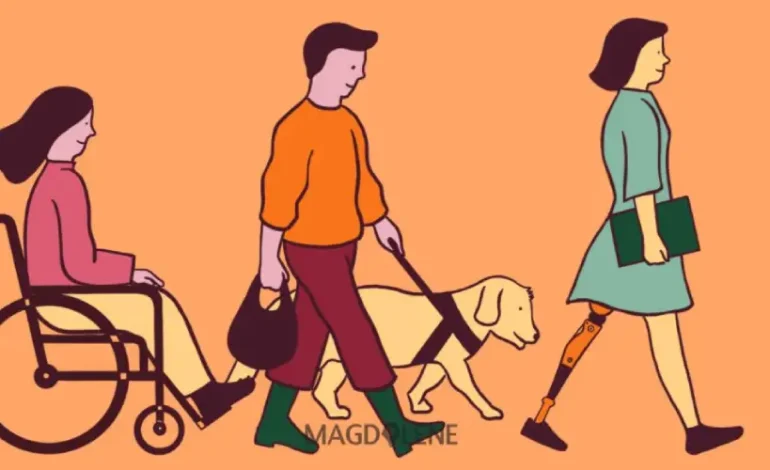
Every morning, Ibu Rohana prepares her signature nasi uduk for a growing circle of loyal customers. Despite using a prosthetic leg, she’s built a thriving food business and a better life for her family. What made that possible? A collateral-free loan and peer support from Koperasi Mitra Dhuafa (KOMIDA), one of Indonesia’s largest microfinance institutions.
Rohana’s story shows how inclusive financial services can be about more offer access; they can shift power and enable real economic agency for women with disabilities. Her case proves that with the right support, women with disabilities can thrive as entrepreneurs, caregivers, and community builders.
Also read: As Long as Hubby’s Happy: Legal and Financial Challenges of Women Businessowners
Under the UN Convention on the Rights of Persons with Disabilities (UNCRPD), access to financial services is a human right, not an act of charity. This framework challenges financial institutions and regulators to do more than make services available. They must actively dismantle barriers and ensure that people with disabilities—especially women—can participate fully and equally in the economy.
In Asia and the Pacific, the stakes are high. Around 690 million people in the region live with disabilities. Yet, across much of the region, formal financial systems exclude them. Fewer than 20 percent of people with disabilities in low- and middle-income countries have access to banking services. For women with disabilities, the picture is even starker. On top of financial exclusion, they often face gender-based discrimination, caregiving burdens, social stigma, and limited income opportunities. In an increasingly digital economy, these barriers only multiply.
Take Indonesia, for example. Even as the country expands financial access, the gap remains wide. Just 24.3 percent of people with disabilities over 15 have a bank account, compared to 47 percent of those without disabilities. Only 1.1 percent use digital financial services (DFS), far below the national average of 8.1 percent. And the gender gap is glaring: 42.1 percent of women with disabilities use DFS, compared to 60 percent of their male counterparts.
It’s not just about access—it’s about who the system was designed for. And clearly, it wasn’t built with women like Rohana in mind.
Also read: How Women Are Powering Indonesia’s Halal Economy and Islamic Finance
What real inclusion looks like
The 2016 Financial Service Authority (OJK) regulation requiring financial institutions to improve accessibility was a good start. But most responses have focused on physical access—wheelchair ramps, braille signage, accessible ATMs. Important, but not enough. Deeper issues remain: inaccessible mobile apps, complicated onboarding processes, and staff who lack training in disability sensitivity.
At Microsave Consulting (MSC), our research and field experience show that inclusive financial design can work when it’s grounded in real people’s needs. Rohana’s success illustrates what happens when products are not only accessible, but responsive. At 43, she now finances her children’s education, runs a small shop, and has renovated her home. That’s not just inclusion. That’s transformation.
But Rohana is still the exception. Most microfinance institutions (MFIs) and banks still don’t actively target women with disabilities. Many are denied credit due to “unstable” incomes or lack of collateral. High medical expenses and the absence of affordable insurance only make matters worse.
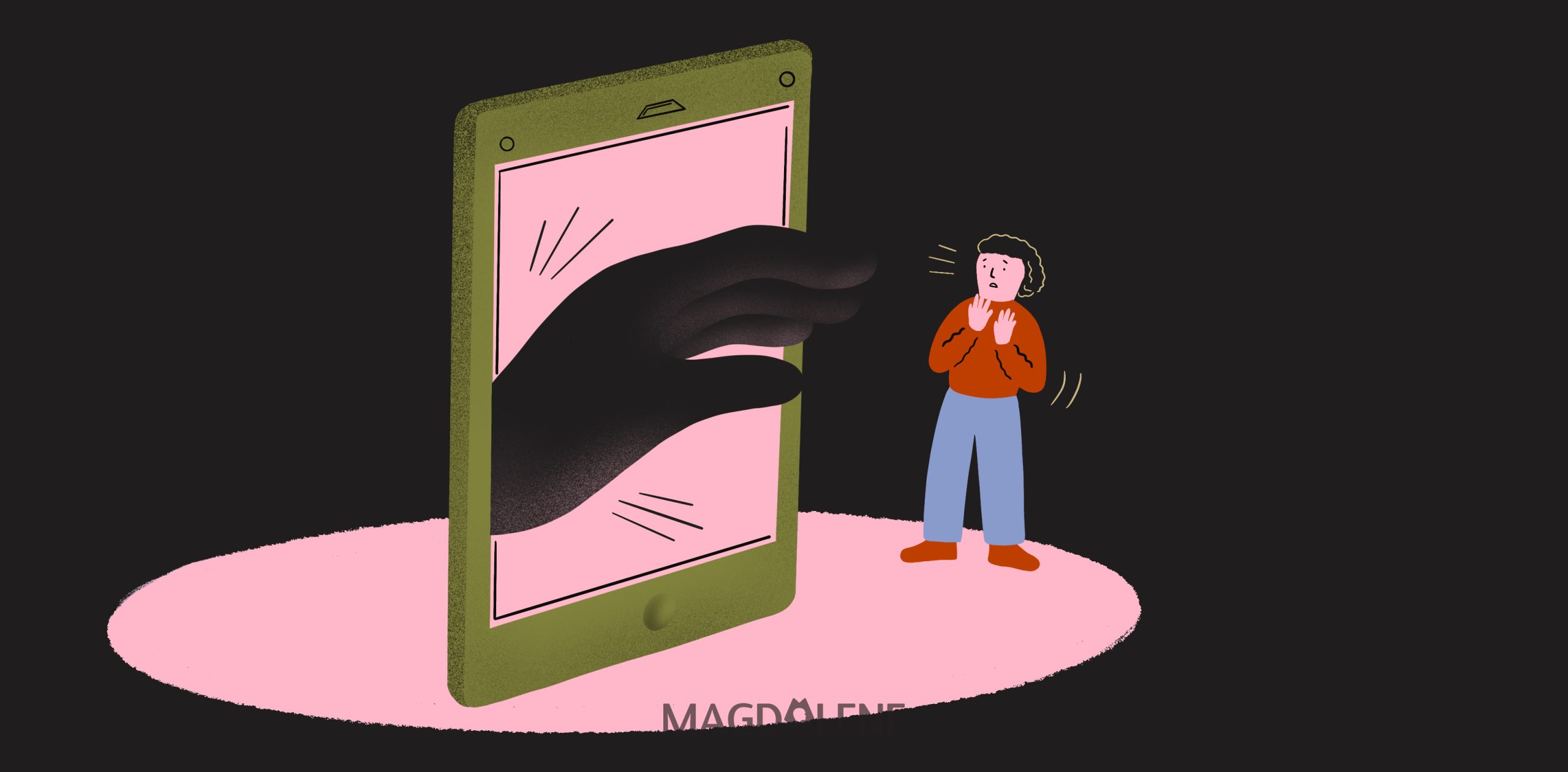
Faced with rejection from formal services, many turn to informal sources, like digital loans or “buy now, pay later” apps. These may be easy to access but often come with high risks: unreadable terms, predatory practices, and inaccessible interfaces. Most apps still lack features like audio guidance or screen reader compatibility, making them unusable for many.
Real change starts with shifting how we design and deliver financial services. Inclusion can’t be a one-size-fits-all approach. Different disabilities require different support, whether it’s voice navigation, in-person help, or sign language interpretation.
This is where universal design principles matter. But more importantly, inclusion must be co-created. Article 4(3) of the UNCRPD emphasizes the role of people with disabilities, not just as consumers, but as partners. Financial institutions must work with disability organizations to co-design products, test solutions, and ensure services reflect real experiences. That means going beyond feedback forms. It means listening, involving, and sharing decision-making power.
Also read: Dorong Kebijakan Inklusif, Kita Butuh Pemimpin Perempuan dengan Disabilitas
Regulators also need to step up by requiring disability-disaggregated data through ESG frameworks. Without data, the needs of women with disabilities will remain invisible and unaddressed.
Indonesia has made progress on financial inclusion, but women with disabilities are still too often left behind. It’s not enough to simply acknowledge their presence. Inclusion must go further: toward agency, voice, and leadership.
Too often, they are seen as unprofitable or high-risk. But their lived experiences tell a different story. They are problem-solvers, breadwinners, and innovators. Finance is more than numbers. It’s about dignity, independence, and choice. And it’s time for our financial systems to reflect that.
When we stop treating women with disabilities as fringe users and start building systems with them in mind, we don’t just create inclusion, we create justice.
Rosalinda Birdinia R. Barus is Analyst at Microsave Consulting (MSC) Indonesia.
Ilustrasi oleh: Karina Tungari