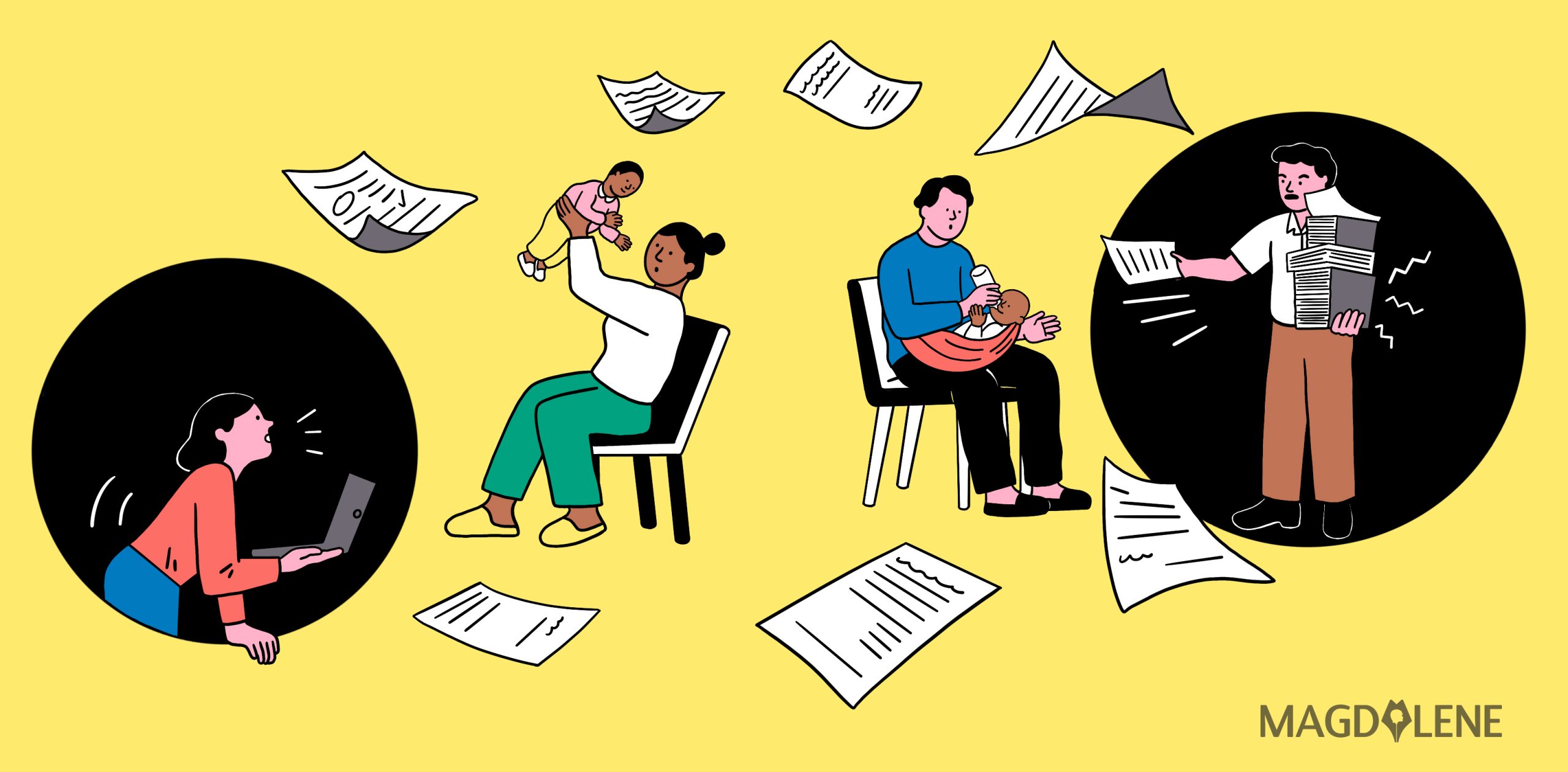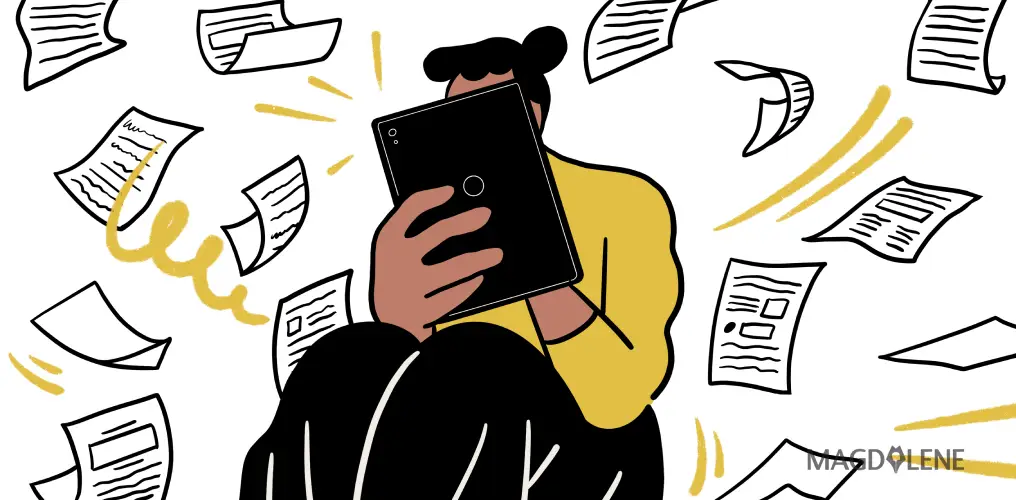
Child abuse is often imagined as something loud, violent, and obvious. We picture bruises, screams, or forced acts. But Broken Strings, the memoir by actress Aurelie Moeremans, invites us to confront a far more uncomfortable truth. That some of the most devastating violence against children happens quietly, slowly, and under the guise of care.
At the heart of Broken Strings is an experience that closely mirrors child grooming—a process in which an adult gradually builds trust, emotional closeness, and dependence in a child to manipulate and exploit them. This is not just a personal tragedy. It is a profound human rights failure.
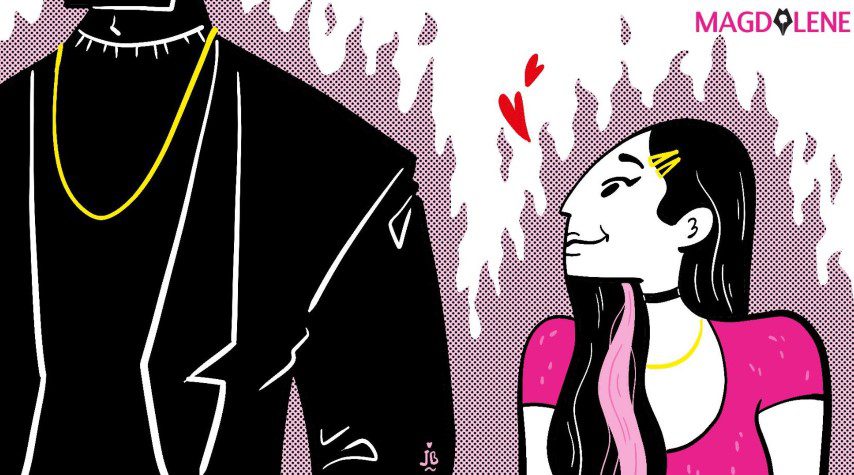
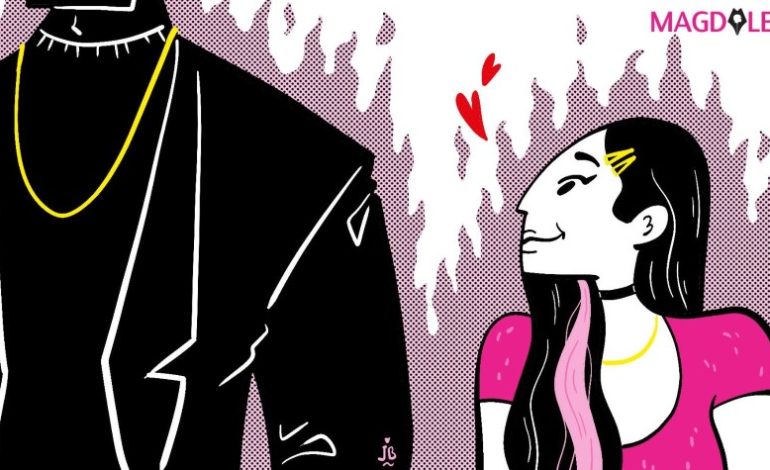
What makes grooming so dangerous is that it does not begin with harm. It starts with attention, kindness, listening, and protection. In Aurelie’s case, the adult figure does not appear as a monster, but as someone familiar, trusted, and seemingly safe. For the child, the relationship feels normal, even comforting.
This is how grooming works in real life. The violation is not immediate. Boundaries are crossed slowly, almost imperceptibly. What would feel shocking if done suddenly becomes “normal” when introduced step by step. By the time harm becomes visible, the child is already emotionally entangled and confused.
This quiet progression is precisely why grooming often goes unnoticed—and why it is so rarely treated seriously enough by families, communities, and institutions. From a human rights perspective, one truth is central: children cannot give meaningful consent in relationships marked by unequal power.
This quiet progression is precisely why grooming often goes unnoticed—and why it is so rarely treated seriously enough by families, communities, and institutions. From a human rights perspective, one truth is central: children cannot give meaningful consent in relationships marked by unequal power.
In Broken Strings, the imbalance is clear. The adult has age, authority, experience, and social credibility. The child has none of these. Yet the child is expected—implicitly or explicitly—to comply, to trust, and to remain silent. Human rights frameworks, including the United Nations Convention on the Rights of the Child, recognize that children are entitled to special protection precisely because of this vulnerability. When an adult uses their position to shape a child’s emotions, perceptions, and boundaries for personal gain, it is not a “relationship.” It is exploitation.
Also Read: The Inheritance of Fear: How ‘It’ (2017) Tackles Child Abuse, Bullying
Grooming as a systemic failure
The book makes visible what society often denies: harm does not require physical force. Manipulation itself is violence. One of the most powerful themes in Broken Strings is silence. The “broken string” becomes a metaphor for a voice that can no longer speak, a connection that has been severed.
This silence is not accidental. Grooming depends on it. Children are taught—directly or indirectly—that speaking up will bring shame, punishment, or disbelief. They are made to doubt their own feelings. Was it really wrong? Am I overreacting? Will anyone believe me?
Here, the story intersects sharply with human rights. Article 12 of the Convention on the Rights of the Child guarantees the child’s right to be heard. Yet in reality, children’s voices are often dismissed, especially when they challenge respected adults or established institutions. Broken Strings shows us that when a child’s voice is ignored, the harm does not end.
It is tempting to read stories like Broken Strings as isolated cases: one bad adult, one unfortunate child. But that reading lets society off the hook. Human rights violations are not defined only by individual actions, but by systemic failure. Where were the safeguards? The safe reporting mechanisms? The adults trained to recognize warning signs? The institutions willing to prioritize children over reputation?
Grooming thrives in environments where authority is unquestioned, obedience is valued over safety, and children are taught to be polite, silent, and grateful. In this sense, Broken Strings is not only a personal narrative, but an indictment of social structures that fail to protect children before irreversible harm occurs.
Another crucial contribution of the book is its portrayal of delayed understanding. The child does not immediately recognize the experience as abuse. Awareness often comes years later, in adulthood, when language and perspective finally catch up. This matters deeply for human rights. Trauma is not a moment—it is a continuum. When states and societies fail to provide long-term psychological support, validation, and justice, the violation does not end with the act. It continues. Ignoring survivors’ needs for recovery and recognition is itself a continuation of harm.
Also Read: Healing from Child Sexual Abuse is Often Difficult but Not Impossible
From story to responsibility
So what does Broken Strings ultimately demand from us?
First, recognition. Grooming must be named as violence, not minimized as misunderstanding or moral failure. Second, prevention. Child protection cannot wait for visible injury. Education about boundaries, power, and safe relationships must begin early. Adults must be trained to recognize grooming behaviours—not just physical abuse.
Third, listening. Believing children is not optional. It is a human rights obligation. Finally, accountability and care. Justice systems, schools, religious institutions, and families must move beyond damage control toward genuine child-centred protection.
Broken Strings does not shout—it whispers. And that is precisely its power. It reminds us that some of the gravest human rights violations do not happen in public view, but in trusted spaces, through ordinary gestures, and under the guise of love or care.
Child grooming is not only a personal betrayal—it is a collective failure. Protecting children means more than reacting to harm. It means listening before the string breaks.
Antarini Arna works at Institute Sarinah.