‘The Siege at Thorn High’: A Brutal Allegory Undone by Its Gaps

With The Siege at Thorn High, Joko Anwar brings his signature cinematic intensity to a dystopian thriller set in a fractured, riot-ravaged Jakarta. Backed by Amazon MGM Studios and nearly reaching 1.9 million viewers in its theatrical run, the film marks a milestone for Southeast Asian cinema on the global stage. The film confirms Joko’s mastery of tension and atmosphere, though its exploration of racial violence remains more allegorical than grounded, leaving its powerful premise underdeveloped.
Released in Indonesian cinemas in April 2025 and streamed globally on Amazon Prime Video by August, The Siege at Thorn High is a violent, visually rich dystopian action film. Known for his atmospheric horror films such as Impetigore (2019) and Grave Torture (2024), Joko again leans on brutal imagery and psychological intensity. This time, he opens with a reference to the 1998 anti-Chinese riots—real-life tragedies fueled by economic crisis and systemic corruption, and marked by violence, looting, and sexual assaults against Chinese-Indonesian women.
The narrative begins in 2009. A trio of junior high students—Edwin, his sister Sylvi, and their friend Panca—are dismissed from school amid another wave of riots. On their bus ride home, they are ambushed. Sylvi is dragged into an alley and raped, Panca tries to intervene, and Edwin is knocked unconscious. When he wakes, his sister is gone—only her torn clothes remain. The city skyline burns with smoke and fire.
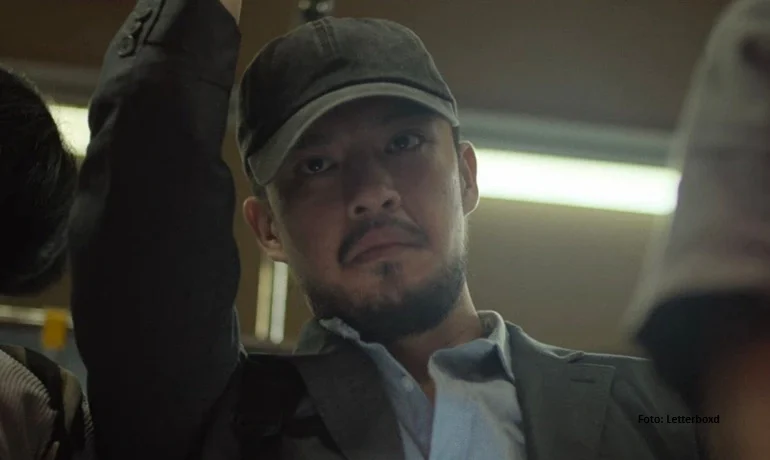
Eighteen years later, in 2027, Edwin (Morgan Oey) is now a substitute teacher at Duri High School, a brutal, broken institution filled with delinquent students. Haunted by his past, the Chinese Indonesian character is on a personal mission to find his missing nephew—the child born from his sister’s assault. In class, Edwin meets Jefri (Omara Esteghlal), a violent, anti-Chinese student who refers him only as babi (pig). Their conflict escalates into a disturbing power struggle that dominates the film.
Joko’s dystopian Jakarta is grim and claustrophobic. Shabby buildings, narrow alleys, and gray palettes create a world where time has passed, but nothing has changed. Cinematographer Ical Tanjung’s slow tracking shots and shaky camera movements intensify the suspense, as does the increasingly oppressive school setting. The atmosphere is expertly built—tense, ominous, and unrelenting.
Also Read: I Hated Being a Woman, Until I Found Feminism
Style over substance: Where the allegory falls apart
While the film excels in world-building and style, it stumbles in substance. The opening text references anti-Chinese stereotypes and political corruption, yet these themes vanish once the narrative unfolds. The story fails to explain how or why racism in Jakarta has worsened by 2027. Jefri’s viciousness appears without cause or backstory. Racism, in this world, is simply a given—depersonalized and dehistoricized.
This lack of grounding makes the film’s portrayal of racial violence problematic. Rather than exploring racism as a social construct, The Siege frames it as senseless brutality. Both Edwin and Jefri are portrayed as emotionally unstable and prone to violence. Edwin lashes out in class, while Jefri is depicted as sadistic, unhinged, and eventually monstrous.
This echoes a recurring motif in Joko’s work: trauma transforming into terror. In Impetigore, the raped character Misni becomes the orchestrator of violence in her village. Similarly, in The Siege at Thorn High, personal trauma is channeled into rage and destruction, blurring the boundaries between victim and perpetrator. While the narrative twist carries emotional weight, it risks reinforcing a troubling notion—that those who endure violence are fated to inflict it. In doing so, the film undercuts its own critique of racial injustice, reducing complex lived experiences into stylized brutality.
The climactic fight between Edwin and Jefri devolves into stylized violence, with both characters consumed by rage in a descent that echoes the classic “no return point” trope. Though charged with emotion, the sequence feels detached from any meaningful reckoning with trauma or systemic oppression—teetering instead between catharsis and spectacle. The revelation about Jefri at the ending adds tragic irony but doesn’t resolve the film’s deeper moral ambiguity.
Also Read: 5 Books that Explore LGBTQ Teen and Young Adult Life
The film’s lack of narrative context weakens its emotional impact. A late scene, where Edwin is chased by a bloodthirsty mob, slips into zombie-horror territory, reducing racism to a monstrous, irrational force. Stripped of historical or systemic framing, the film’s allegory risks oversimplification—casting racial hatred as an inexplicable contagion rather than a social failure shaped by power and history.
Even so, The Siege at Thorn High stands as a striking technical and commercial achievement. With taut pacing, compelling performances, and immersive visuals, it showcases Joko Anwar’s mastery of suspense and visual storytelling in a gripping dystopian thriller that genre fans will want to see. His collaboration with Amazon MGM Studios—following the success of Nightmares and Daydreams (2024) on Netflix—signals the growing global reach of Southeast Asian cinema, powered in part by his massive fan base. In that very gesture—portraying racism as a kind of viral madness—the film may still provoke discomfort, and perhaps, reflection.
Faiza Mardzoeki is a playwright, theatre director, and producer, best known for works like Nyai Ontosoroh, The Silent Song of the Genjer Flowers, and Subversive! You can reach her www.faizamardzoeki.com.