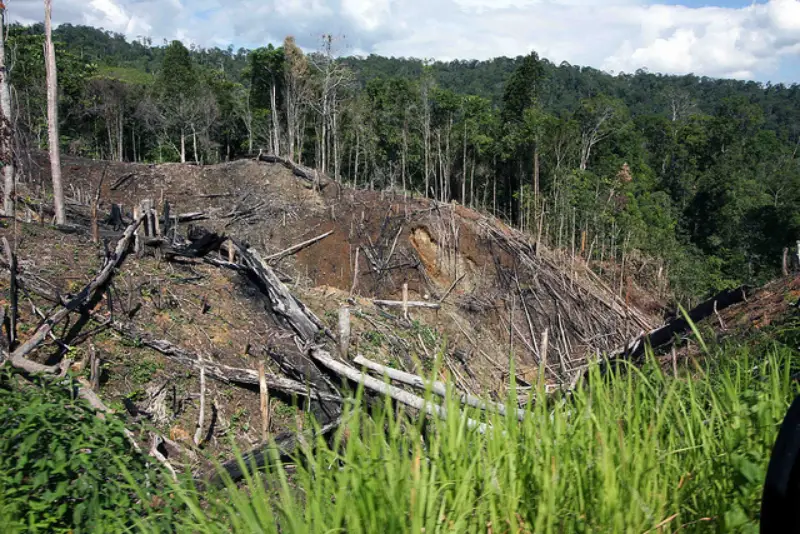
When Help Didn’t Arrive: How Volunteers Carried Disaster-Stricken Sumatra Through the First 72 Hours

On November 25, as floodwaters began to rise across parts of Sumatra, Sara Uzlifah knew something was different.
“That day, November 25, marked the seventh consecutive day of heavy rainfall across the city,” Sara recalled. “There have always been recurring floods in several parts of Padang, but never to the point where houses were destroyed or people lost their lives.”
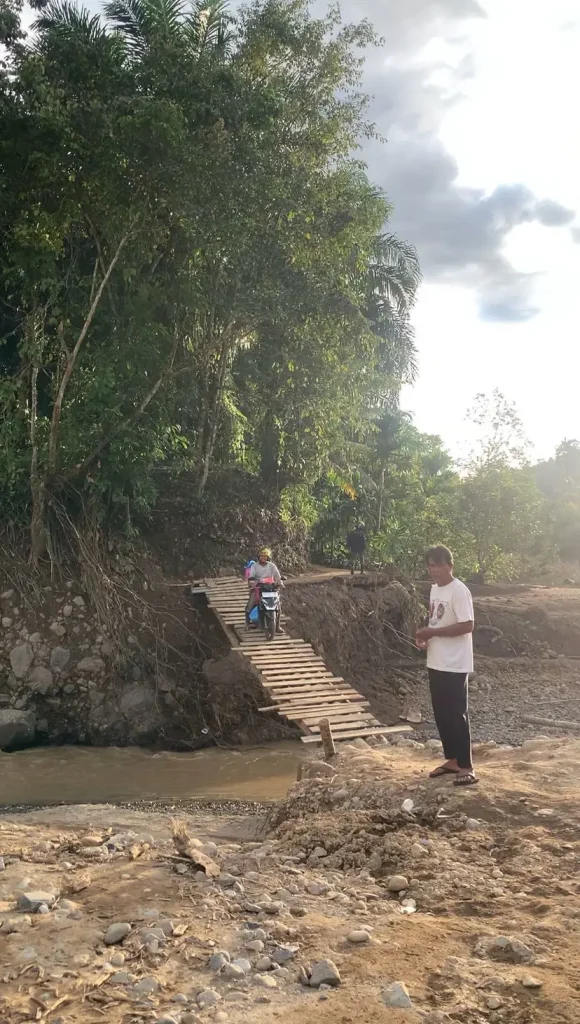
Sara, 32, is a medical volunteer based in Padang, West Sumatra. Originally from Jambi, she lives in a boarding house located in a relatively safe area. That morning, floodwaters only reached ankle height in her yard. But just ten minutes away, in Batu Busuk, the situation was already dire. A bridge had collapsed. Residents were trapped in hilly areas. Rivers overflowed, sweeping through homes and neighborhoods.
Five days later, on November 30, Sara joined a team of paramedics and members of Sekolah Gender to distribute logistics and basic medical aid. They moved between Batu Busuk, Burung Laweh, and Tabing Banda Gadang — areas hit unevenly, but all struggling in the aftermath of the floods.
In Burung Laweh, floodwaters had risen high, though fewer houses were destroyed. In Tabing Banda Gadang, the devastation was far worse.
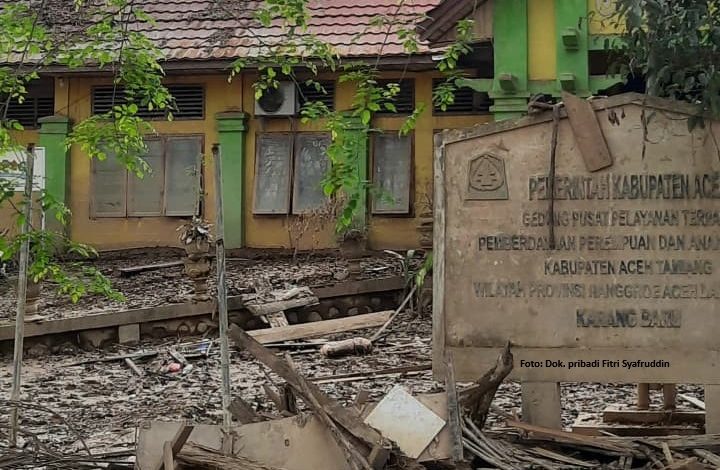
“Quite a lot of houses were swept away,” Sara said. Mud and debris still coated the streets days after the water receded.
The worst destruction she encountered was in Palembayan, Agam Regency.

“An elderly woman survivor told me she was repeatedly swept away by flash floods,” Sara told Magdalene on December 21. “She survived, but her body was covered in bruises and open wounds that had become infected. Tragically, one child in her family has still not been found.”
Across the areas she visited, Sara noticed a pattern: displaced residents were scattered. Most sought refuge in schools, mosques, or relatives’ homes rather than formal evacuation centers.

“Official shelters did exist, but in my view, they weren’t functioning very well,” she said. “There were posts set up by the National Disaster Management Agency (BNPB), but in my view, they weren’t functioning very well.”
Also read: Floods Inundate Jakarta After Cuts to Disaster Relief
Women, Children, and the Weight of Survival
For Sara, the floods revealed how disasters disproportionately burden women and children.
“Women and children are extremely vulnerable,” she said. “Clean water was hard to access, so personal hygiene couldn’t be maintained properly.”
As days passed, residents, especially children, developed skin problems. “People complained of itching all over their bodies.”
Menstruating women and pregnant women faced even greater hardship. Sanitary pads were scarce. Medical services were limited.
“We could only conduct basic health checks — blood pressure, blood sugar, cholesterol — and provide generic medication,” Sara explained. “There were no doctors on my team, only midwives and nurses. Many people with chronic illnesses ended up untreated.”
Pregnant women faced similar limitations. “We could only check basic vitals. Advanced examinations were difficult,” she said. Many could not access health facilities after losing documents and BPJS Health insurance cards to the floods.

Beyond physical illness, Sara observed deep psychological distress.
“I think what they really need is a space to express their grief,” she said. Survivors reported headaches, nausea, insomnia, and acid reflux — symptoms Sara believed were linked to stress.
Yet psychological support was almost nonexistent. “There were no psychologists on my team,” she said. Trauma-healing efforts were limited to simple activities like drawing and playing with children.
During the first three days after the disaster, Sara said the most urgent needs were often overlooked.
“What was most urgent is personal hygiene—clean water, sanitary pads, diapers, clean clothes,” she said. “But what usually arrives is food aid, including instant noodles.”
She also criticized how officials appeared on the ground.
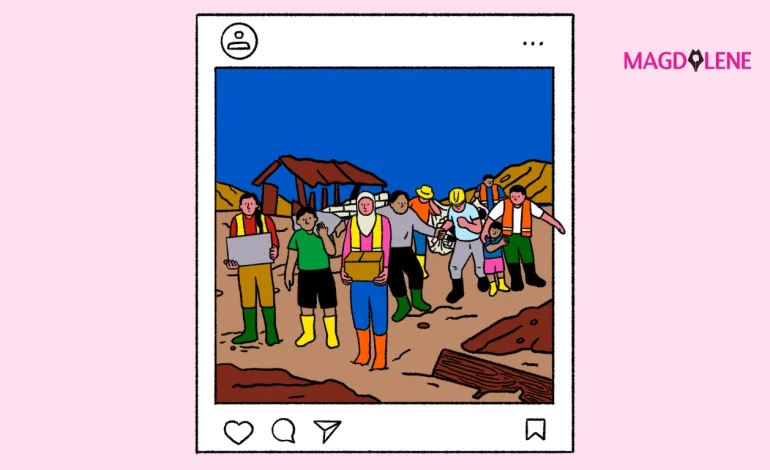
“They did come, bringing big banners and posters,” Sara said. “But instead of helping survivors or listening to them, they were often more focused on creating social media content and presenting their image.”
Also read: New Data: Climate Change Is Intensifying the Water Cycle, More Flooding
‘We Survived Because We Helped Each Other’
In Langkat, North Sumatra, Milla Ulfah was hundreds of kilometers away when the floods hit her village. Living in Medan, she tried repeatedly to contact her family. No one answered.
Realizing the calls were futile, Milla traveled to Langkat on November 27 to search for her mother. Blocked access forced her to wait at a friend’s house in Tanjung Pura, while her husband navigated floodwaters in a gas truck that villagers were using to escape.
Hours later, her husband found Milla’s mother in another village. She had been evacuated to higher ground by relatives. The family had been forced to move repeatedly as waters rose.
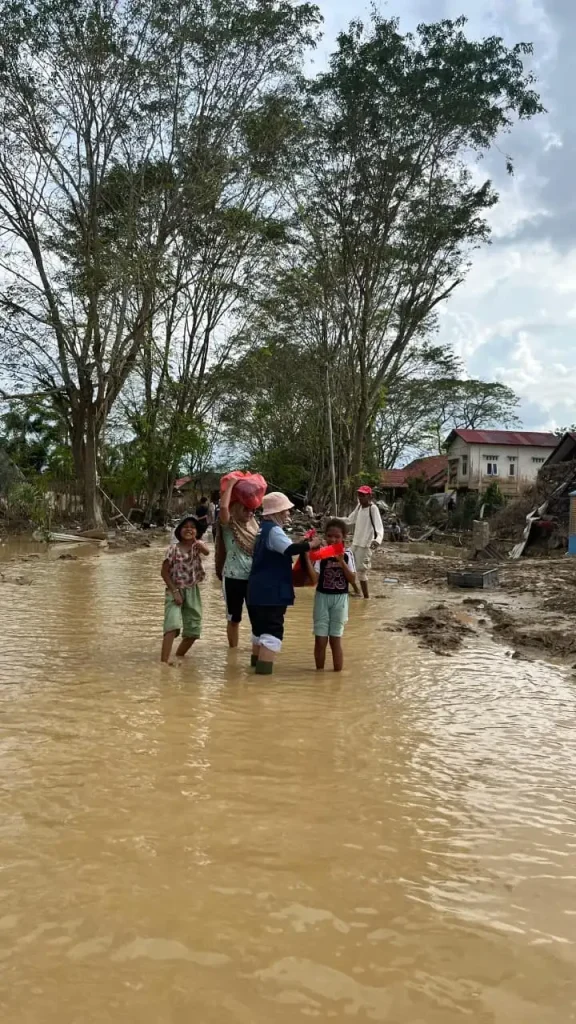
Milla said the evacuations were organized not by officials, but by young villagers. When her husband finally brought her mother to safety using the same truck villagers relied on, Milla witnessed devastation.
“Kids were searching for their mom, shouting to their mom. Starving people, including pregnant women, were asking for food. It was so sad, I couldn’t bear it,” Milla told Magdalene on December 19.
She said government help from village to central levels was largely absent.
“None of the village heads was present at the evacuation process, nor did they give aid,” she said. Provincial assistance, she added, did not meet even one village’s needs.
Her pregnant cousin survived on instant noodles provided as aid.
“Pregnant women, children, they need nutritious meals. What would it be if they ate instant noodles every day? It’s not healthy at all,” she said. “The government gave one family with three to four members a sack of rice from the Logistics Affairs Agency and a pack of instant noodles. That’s not enough.”
Essential items such as diapers, sanitary pads, formula milk were gone from markets. After seeing the situation firsthand, Milla opened a donation drive on November 29. Rp5 million was raised to buy supplies.
“That move was made because I have lost hope in the government,” she said. “This country makes me insane. We can’t rely on the government. It’s all about people helping each other in Sumatra, while the government always states nonsense without giving any solution.”
Also read: 72-hours of Social Silence: Officials’ Lack of Response Affect Sumatra’s Disaster Management
A Request Asked in Whisper
In Aceh, Fitri Syafruddin, a staff member of Flower Aceh, encountered a quieter kind of desperation.
When she arrived in Pidie Jaya to assess needs, a woman whispered to her, asking if underwear could be included in the aid list.
“The women haven’t worn any underclothes for five days,” Fitri recalled. “’Can you bring us underwear next time you come here?’”
The lack of basic clothing was widespread, she said. Fitri focused her donations on women and children: menstrual pads, formula milk, underwear, face masks.
“Mothers have already worn face masks, but sometimes I saw kids playing around without them,” she said. Dust filled the air, increasing the risk of respiratory illness.
She also urged fellow volunteers to look beyond food aid. “We brought slings for the mothers to carry their babies,” she said.
But food and clean water remained scarce in some areas. Fitri recalled a pregnant woman who suffered diarrhea after eating uncooked instant noodles. Her team could not reach certain locations due to collapsed roads and high floodwaters.
Amid these conditions, Fitri expressed frustration with the central government’s refusal to declare a national disaster status.
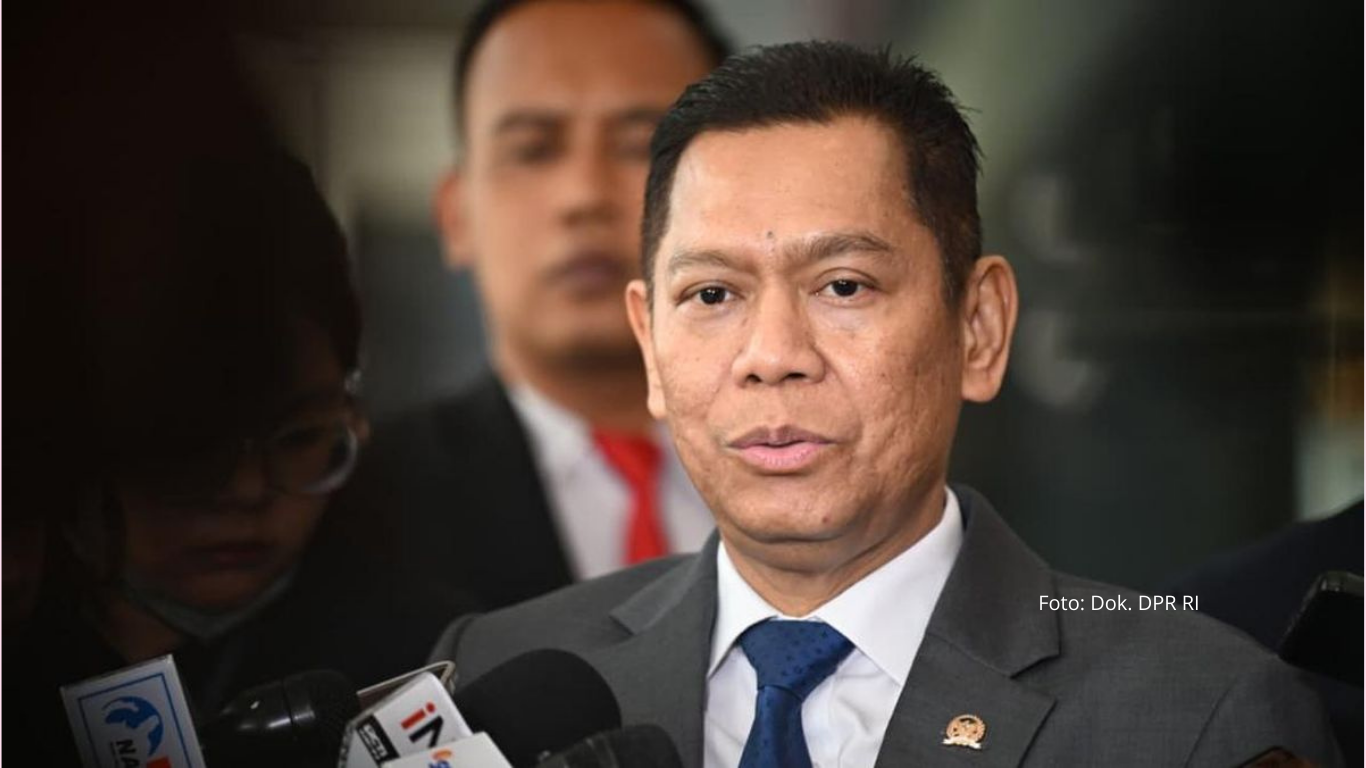
Foreign Minister Sugiono said Indonesia could handle the disaster without foreign help. President Prabowo Subianto echoed the sentiment.
By contrast, Fitri noted that Aceh’s provincial government had been more present. Governor Muzakir Manaf visited affected villages, checked blocked access, and appeared at aid distribution sites.
The stories of Sara, Milla, and Fitri reveal what happens when official responses are delayed, fragmented, or symbolic. In the absence of clear direction, volunteers and residents stepped in, organizing evacuations, distributing aid, and filling gaps left by the state.
The officials and institutions’ 72-hours of silence have reflected and led to their failures in providing much-needed reliefs to disaster-struck people in their time of direst needs. For many, their survival depended on neighbors, volunteers, and people who refused to look away.
This article is part of Magdalene’s data journalism series. Read the other stories here.
Project Lead / Editor-in-Chief:
Devi Asmarani
Special Reports Coordinator:
Jasmine Floretta
Editors:
Purnama Ayu Rizky, Devi Asmarani
Reporters:
Andrei Wilmar, Jasmine Floretta, Purnama Ayu Rizky, Sharon Wongosari, Ting-Jen Kuo
Data Analysts and Visualisation:
Sharon Wongosari, Ting-Jen Kuo
Graphic Assets & Translation:
Chika Ramadhea
Illustration / Graphic Design:
Karina Tungari, Bima Nugroho
Social Media:
Sonia Kharisma Putri