When Parliament Dances, the People Mourn

Waking up, I immediately reach for my phone and open Instagram and TikTok, my morning routine. No matcha, no water – probably not the healthiest person ever. But this morning, upon reading the news about what happened last night, I realized something: maybe it’s not just me. Maybe we’re all sick. Sick from living in a majestic yet broken country called Indonesia.
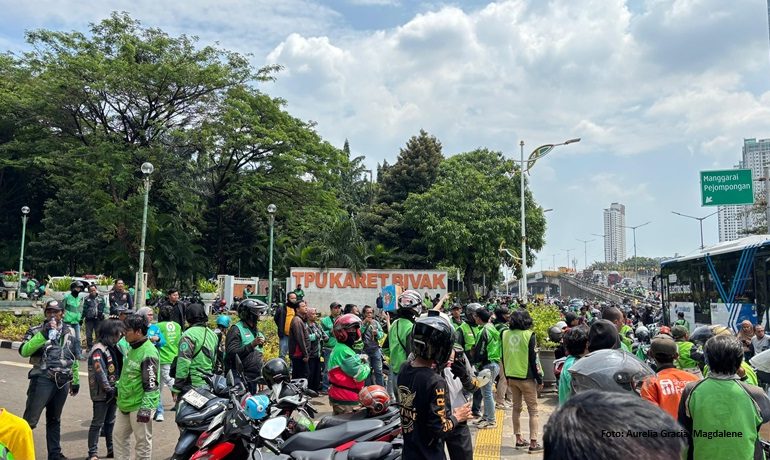
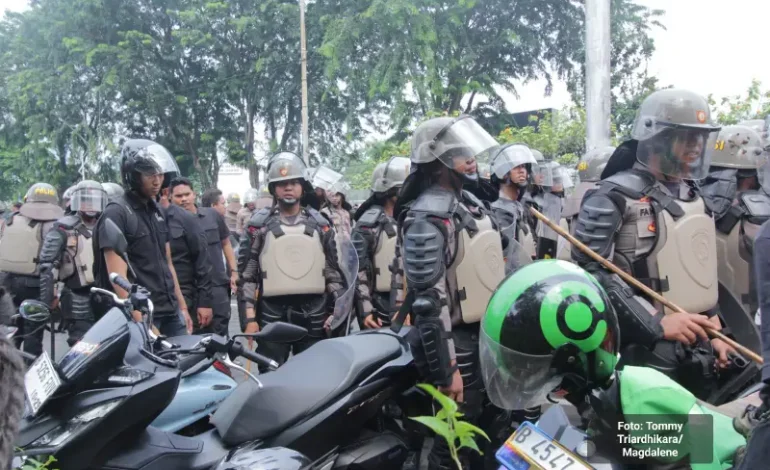
Last night, an online driver was killed—his body crushed by a police Mobile Brigade (Brimob) crowd-control vehicle, a Barracuda. Did I just read that right? I found a video of the so- called “accident.” It did happen! And as I scrolled through the rest of the news, the weight of it hit me: this country is not just sick—it is rotting from within, especially its government.
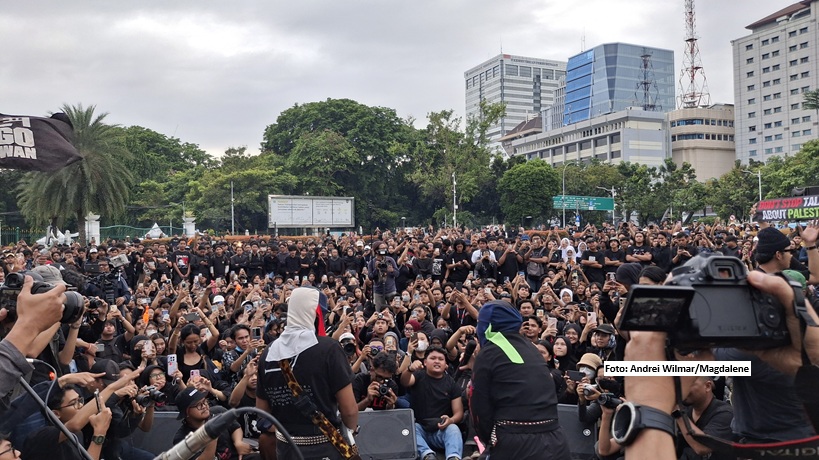
On 28 August 2025, thousands of people filled the streets in front of Indonesia’s Parliament (DPR) building. They weren’t there to celebrate; they were there to shout, to cry, to demand justice. Why? Because the legislators have awarded themselves salaries and allowances so high, so detached from the reality of ordinary Indonesians. While the poor can barely afford rice and cooking oil, DPR members sit their air-conditioned rooms debating how much “respect” they deserve to be paid for. Respect? That is something to earn through service, definitely not bought with taxpayer money.
Also read: ‘The Power of Ibu-ibu’: Dari Kutukan hingga Mengusir Aparat
And this isn’t happening in a vacuum. Just days earlier, the heartbreaking news of a young girl who died from malnutrition and a worm infection went viral across social media. It’s 2025, yet families are still losing children to hunger and preventable diseases. Meanwhile, the government justifies millions of rupiah in monthly housing allowances for politicians who already live in comfort. The contrast is brutal—it feels like two different worlds coexisting in one country. It almost feels like déjà vu, as if we’re trapped inside our own version of The Hunger Games—where the elites feast and celebrate, while the rest struggle just to survive.
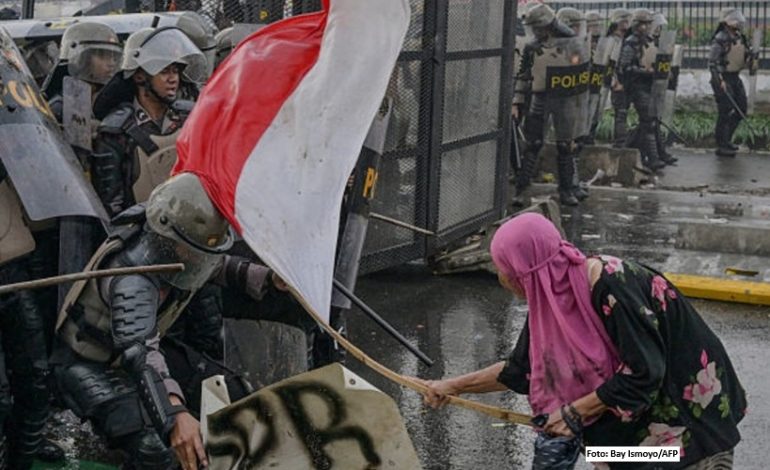
One image that stuck with me was that of a woman in a pink hijab, holding up our red-and- white flag. She had no weapons, no helmet—yet she stood firm, protesting in front of heavily armed police, her voice trembling but unbroken. She carried nothing but her courage and love for Indonesia. In contrast, another photo showed that inside the building people were working in comfort, barely hearing the chaos outside. And I thought, isn’t it their job to listen to the people? Isn’t it the very essence of democracy: to serve those who put you there?
As the clashes grew worse, the smell of tear gas filled the streets. Some protesters were beaten, others arrested. And amid the chaos, a man lost his life. He wasn’t a politician, wasn’t a protest leader, just an ordinary online driver trying to make ends meet. His death became a symbol of everything wrong with this system: the powerful protected, the powerless crushed. Literally.
Also read: Panduan Lengkap Cara Marah kepada Negara yang Baik dan Benar
I feel nauseous talking about legislators’ endless blunders and the decay of governance. It’s exhausting, disheartening, and sometimes feels hopeless. But beyond my anger, I keep asking myself, as a mother, and a human being, what can I actually do? I can’t rewrite laws, I can’t change the system overnight. The machinery of politics is heavy and often corrupt. But maybe, just maybe, change doesn’t always start in the halls of parliament. Maybe it starts in our own homes.
I was reminded of this when I saw Nadhira Afifa’s post on Instagram—it struck me deeply. She said change begins with our own household. And I think she’s right. We may not be able to fix the budget, rewrite policies, or stop the greed of elites. But we can raise children who respect others, who carry empathy, who understand fairness. If they grow up with kindness in their bones, they’ll be better equipped to lead, to govern, to fight for justice – to not lose their humanity.
At home, we can teach our children respect, not the kind that comes with money or titles, but the kind that grows from kindness, empathy, and listening to others. Respect means saying “thank you” to the housemaid, greeting the security guard, or acknowledging the food seller on the street. It means treating everyone with dignity, no matter their social status.
We can also nurture the sense of “enough.” In a society obsessed with taking more, buying more, showing off more, we need to teach our children that true happiness isn’t about excess. It’s about gratitude. When they learn to feel enough, they’ll grow up less greedy, less selfish, and more willing to share.
Another value we must plant is responsibility. Our children need to see that actions have consequences—not only for themselves but for others. If they throw trash carelessly, the streets flood. If they cheat in school, society weakens. Small lessons at home build the foundation for integrity later in life.
Also read: Negara yang Menggilas Anak-anaknya dan Duka yang Tak Pernah Dihitung
And let’s not forget dialogue. Many of us grew up in homes where children were told to stay quiet, to obey without question. But if we want a generation of leaders who listen, then we must practice listening at home. Ask our children about their opinions, encourage them to speak, and teach them that their voices matter.
These may sound like small things, but revolutions don’t always start with grand speeches. They begin with habits, values, and mindsets passed from parents to children, from one generation to the next. If every household plants these seeds—respect, gratitude, responsibility, empathy, dialogue—then one day we’ll have leaders who do not dance while their people mourn, but leaders who carry the weight of this country with honesty and compassion.