From Manga to Movement: What ‘One Piece’ Teaches Us About Solidarity

When the People’s Consultative Assembly (MPR) recently banned the display of the One Piece flag, the move immediately went viral. The reason? Indonesians have been raising the Straw Hat Pirates’ Jolly Roger, featuring a skull in a straw hat, as a symbol of freedom and a critique of government failings.
For the MPR, this act is “provocative” and could incite rebellion. For many Indonesians, however, it’s not about overthrowing the government—it’s about expressing frustration at a system that feels increasingly unresponsive to the people’s needs.
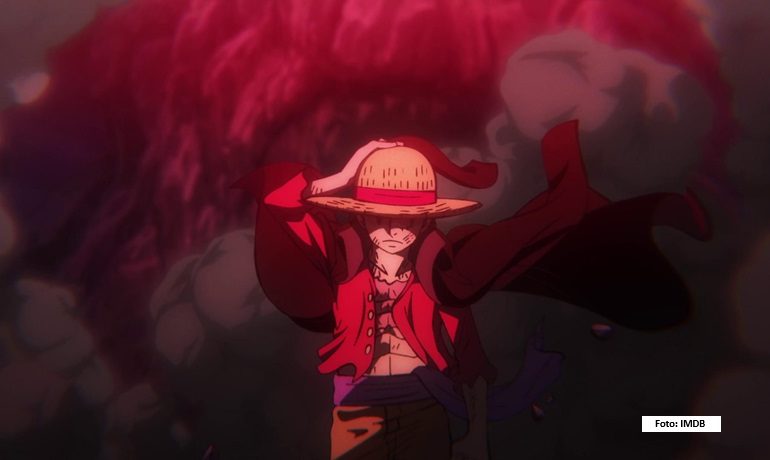
In the world of One Piece, the Straw Hat Pirates are labelled criminals by the “world government,” yet their true mission is not rebellion but the pursuit of dreams, freedom, and justice. Along the way, they free oppressed communities, take down corrupt rulers, and form deep bonds—most importantly, with their nakama, a Japanese word that carries a meaning far deeper than just “friends” or “companions.”
Also read: Prabowo Finds Democracy ‘Very Tiring’, Are Darker Days ahead for the Country?
The emotional core: Nakama as chosen family
I first encountered One Piece in middle school, starting with Volume 13. For a teenager, it was magical: a ragtag crew sailing into uncharted waters, chasing dreams, and occasionally fighting a corrupt government.
Published in Shonen Jump in 1997, One Piece began as the whimsical tale of a rubber-bodied boy named Luffy who couldn’t swim but dreamed of becoming a pirate. Twenty-seven years later, it has become one of the longest-running manga series in history—over 1,000 chapters, 100 volumes, plus anime, films, games, and even a Netflix live-action adaptation.
The series’ staying power isn’t just about epic battles or elaborate world-building. Its emotional anchor is the concept of nakama—the family we choose, the friends we’d risk everything for.
When Luffy recruits crew members, he doesn’t ask them to be his tomodachi (friends) but his nakama. The distinction is subtle but profound. Nakama implies shared purpose, loyalty, and a willingness to fight for each other, forged through shared struggles and dreams.
In One Piece, few characters come from stable nuclear families. Luffy’s mother is unknown, his father absent, and he was raised by a mountain bandit. Zoro’s parents are never mentioned, while Nami was adopted by a marine officer. Usopp was abandoned by his father, and Sanji’s true father figure was his restaurant boss.
Their shared background of loss and hardship binds them together. They sail not only to chase their own dreams but also to protect and uplift each other. In that sense, the Straw Hat Pirates embody the idea of a “chosen family,” a concept widely recognized in LGBTQ+ communities, where people often find love, safety, and belonging outside their biological families.
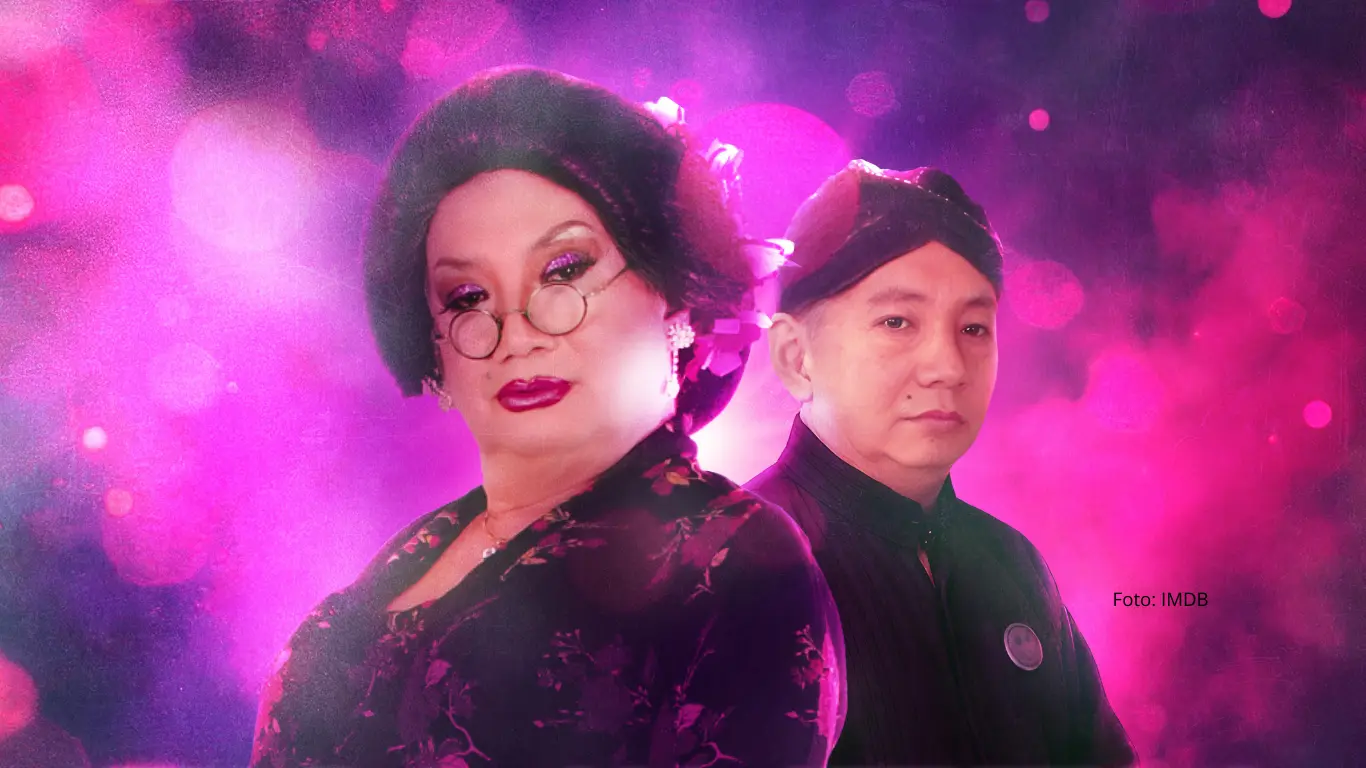
Like New York’s ballroom culture in Paris Is Burning (1990) or the house structures in Pose (2019–2021), Luffy’s crew thrives on solidarity in the face of a hostile world. He accepts anyone regardless of species, class, or gender identity, if they share his values. The series even features major transgender characters who stand alongside Luffy in battle.
From page to reality: Why Indonesians fly the flag
In the One Piece universe, the golden age of piracy began when the Pirate King, Gol D. Roger, declared before his execution:“You want my treasure? You can have it! I left everything I own in one place… now you just have to find it!”
His words inspired countless people to set sail not just for treasure, but for freedom in a world where the government failed them. Many islands in the story suffer under corrupt leaders or crushing poverty while the world government looks away, or worse, silences those who speak out.
One storyline features an island of scholars exterminated simply for uncovering forbidden history. Another shows citizens starving under the rule of a tyrant pirate, ignored by the authorities. In such a world, becoming a pirate is often the only way to survive and reclaim dignity.
This resonates deeply with Indonesian fans who feel their government is ignoring pressing issues while cracking down on harmless acts of dissent. Raising the Straw Hat flag during protests began as a niche gesture among fans but quickly spread as a viral symbol of resistance.
Like in the manga, the flag signals more than rebellion—it’s about reclaiming space, voice, and dignity. In One Piece, the Jolly Roger represents a crew’s identity and freedom. In today’s Indonesia, it’s becoming a shorthand for frustration with systemic neglect.
Nakama doesn’t just mean sticking together in good times. It’s about showing up for each other in moments of crisis—facing down enemies, challenging unjust systems, and offering a home when there’s nowhere else to go.
This mirrors how the Indonesian protest movement around the Straw Hat flag has grown. It’s not only One Piece fans raising it anymore, but others have joined in, drawn to the sense of solidarity and defiance it represents.
That’s why the government’s heavy-handed response feels so familiar to fans: it echoes the world government’s paranoia in the series. In both worlds, authorities label even small acts of expression as dangerous simply because they expose cracks in the system.
Also read: Why Does Being Poor Feel Like a Crime in Indonesia?
And that’s where the irony lies. By banning the flag, the MPR has only strengthened its symbolism. What began as a playful nod to a beloved manga has evolved into a collective declaration of frustration and a demand for change.
Eiichiro Oda may have set One Piece in a fictional world of sea monsters and magical powers, but the themes of corruption, resistance, and chosen family are painfully real. For Indonesian protesters, flying the Straw Hat Jolly Roger isn’t about piracy. It’s about standing together as nakama in a country that sometimes feels like it’s run by its own version of the world government.
And maybe that’s the most One Piece-like thing of all: refusing to bow to power, holding fast to your crew, and chasing the dream of a freer, fairer world—even if it means sailing into a storm.
Reza Mardian has been writing for film reviews and commentaries since 2017. He writes in The Jakarta Post, The Next Best Picture, Magdalene, and his TikTok Channel @kelitikfilm. He received the best film critic award in Festival Film Indonesia (FFI) 2024.