In Indonesia, US Budget Cut Creates another Layer of Vulnerability to Transgender Living with HIV

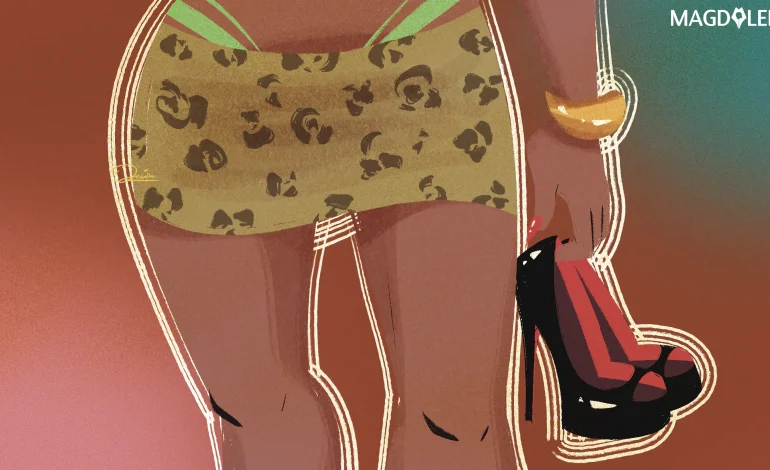
In 2016, “Naya’s” life changed drastically in a matter of hours. A transgender sex worker from Indonesia, she was arrested by Singaporean police while working. The raid carried out by the authorities left her with no room to escape. All of her personal belongings, including her passport and money, were confiscated. She was detained overnight, then sentenced to approximately four months of city detention.
The next four months were a series of days that weakened her body and eroded her hopes. While in detention, she did not receive legal assistance from Indonesian representatives such as the Embassy or Consulate General.
“The Indonesian Embassy couldn’t help at all. I lost all hopes because I went to them three times in a row to ask for legal assistance, but there was no action at all,” Naya told Magdalene.
Also read: Kasus HIV Naik dalam Satu Dekade, Bagaimana Mengatasinya?
Naya’s disappointment grew. The absence of the state was not just a matter of bureaucracy, it was a deliberate act to ignore a citizen’s rights to life. Naya is a person living with HIV (PLHIV). By this time he only had two pills left of the antiretroviral (ARV) medication that she was supposed to take every day. With no assistance from the state and no money to buy ARVs costing 120 Singapore dollars, Naya had to stop taking her medication for two weeks.
Fearing her body would develop drug resistance or even collapse, Naya then tried to contact a friend in Indonesia, revealing her HIV status, in order to have the medication sent as soon as possible.
“Luckily, the medication arrived in just one day. But because I had skipped two weeks, my body felt extremely weak. I was constantly tired,” said Naya.
The risks of becoming a sex worker are enormous, but Naya had no other choice. She was the breadwinner of the family. Her mother depended on her income for daily necessities, while her three younger siblings waited for school fees to be paid from the money she sent home. Becoming a sex worker, despite the risks, was the fastest way to earn a large amount of money.
“I became a sex worker to survive because I had no other choice, and I started when I was 15 years old,” she said.
From the streets of Bandung to Singapore and Malaysia, she traded her safety for an income that could reach tens of millions of rupiah in just a few months. Even the smallest net wage she received was 80 million rupiah (about US$48,8000), enough to save and pay for her younger siblings’ education.
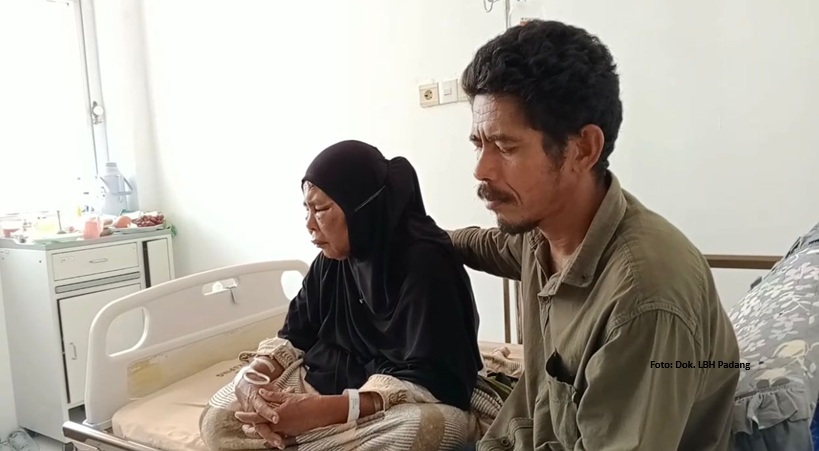
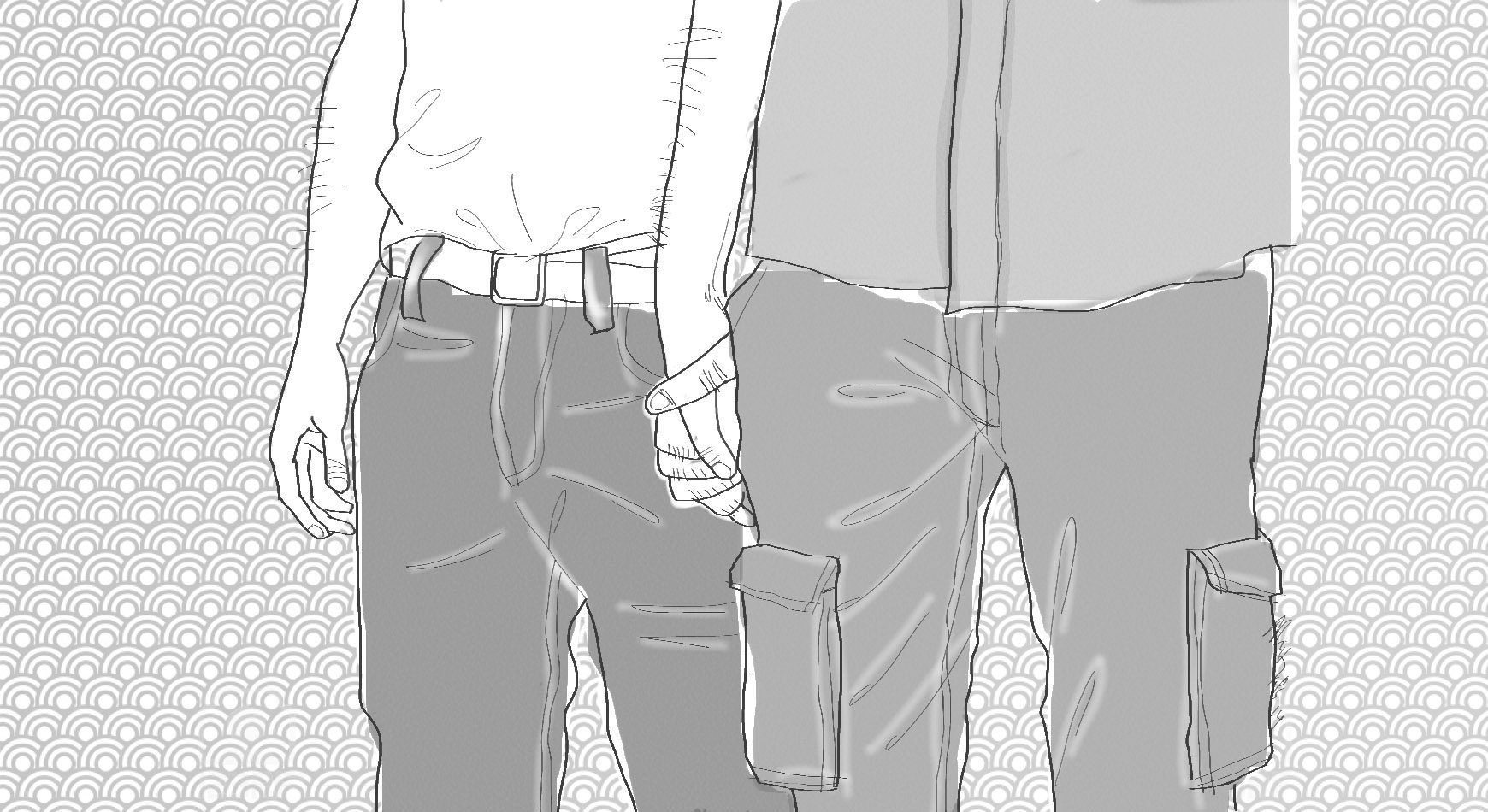
Besides Naya, “Ayu,” a transgender woman living with HIV, also relies on sex work to survive. However, unlike Naya, Ayu, who lives in North Jakarta, was rejected by her family after testing positive for HIV.
“No one in my family took responsibility, no one dared to, they were all afraid. So, I’m on my own,” Ayu said.
When she was evicted, all her household items, clothes, and furniture were discarded. Ayu had to pay Rp1 million a month for rent, a significant amount for a profession with an uncertain income.
She faces additional challenges when health services are not yet fully inclusive for vulnerable groups. A particularly bad experience for her is being called by her birth name when seeking treatment. Even so, to her this is a price to pay in order to get the much-needed HIV treatment for free through the state health insurance or BPJS Kesehatan.
“Ina,” who assists people living with HIV/AIDS to get their treatment, said that health facilities still call transgender patients by their names on their identity cards (KTP), making the process uncomfortable for the patients.
“Everyone at the health facility sees transgender people and thinks, ‘oh, this is their name, this is what they look like,’” explained Ina.
Kenny, another companion, said that stigma arises because Indonesian society still lives under the shadow of queerphobia and a lack of knowledge about HIV.
“In society, there is still a widespread perception that people living with HIV/AIDS are synonymous with the ‘wrong’ people, LGBT (which are still considered deviant). When, in fact, it is the behavior, not sexuality, that causes HIV,” said Kenny.
Because of the uncomfortable treatment they face at state health facilities, many transgender sex workers living with HIV/AIDS choose to visit hospitals at city centers, where they can mask their identities more easily. This means they have to pay for the medication, in addition to a bigger cost for transportation.
This is why field outreach officers like Ina and Kenny are crucial. Often referred to “companion”,they are hired by local CSOs to assist people living with HIV/AIDS in getting proper medical treatment. They accompany people like Ayu to medical appointments and even pay for their transportation costs.
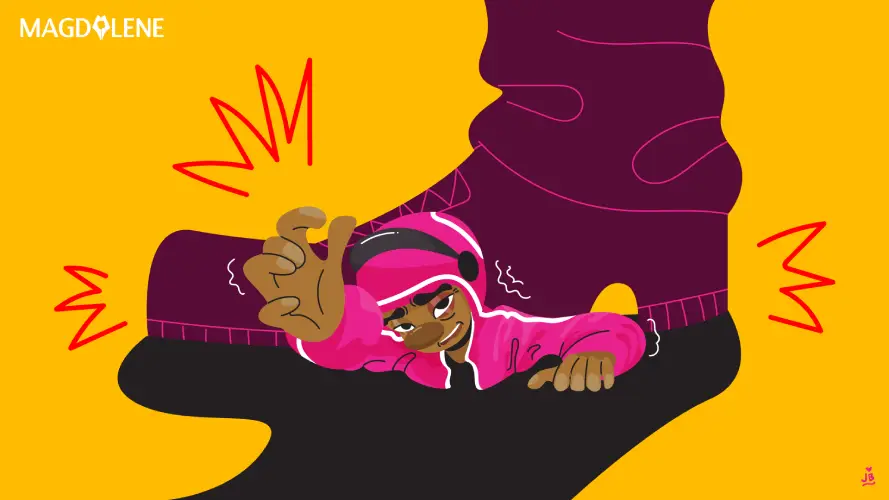
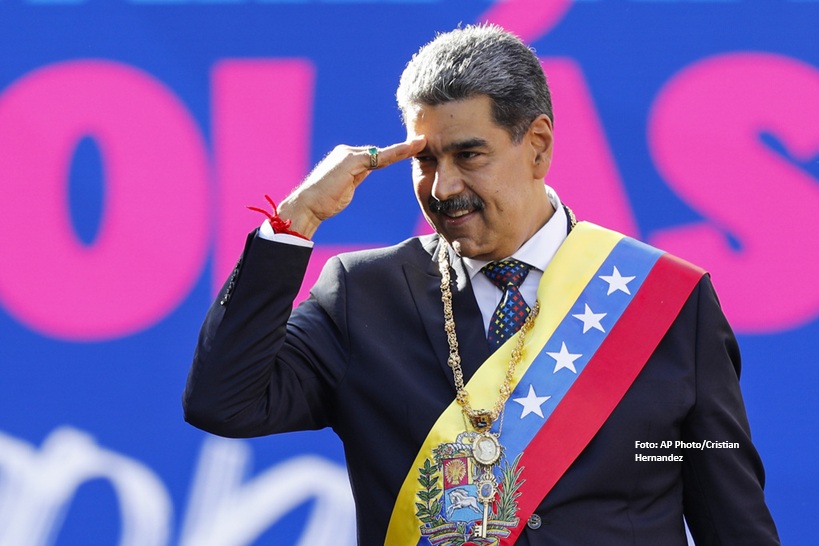
However, this role is under threat since early this year when US President Donald Trump froze grants, loans, and foreign aid, including for HIV programs.
Also read: Bagaimana Perempuan Indonesia dengan HIV dan AIDS Berjuang dengan Stigma
How Trump’ funding freeze impacts outreach programs
In January this year, USAID partners and grant recipients around the world received instructions to cease activities following Trump’s order. Washington has also hinted that it would withdraw from the World Health Organization (WHO), which receives one-fifth (the largest chunk) of its annual budget from the US.
The Executive Director of the Indonesia AIDS Coalition (IAC), Aditya Wardhana, said most HIV programs in Indonesia still depend on foreign donors, including the US.
“The US government programs – including those outside of healthcare – only target cismen and ciswomen,” said Aditya, when contacted by Magdalene.
Aside from USAID-related programs, the US has committed up to US$6 billion for the Global Fund for the 2023-2025 period. But Washington’s current stance on foreign development leaves the fate of the funding uncertain. Aditya said he feared a delay effect that will lead to a surge in HIV and AIDS cases in the future in Indonesia.
“Although it is not yet felt now, the Global Fund will slowly run out of funding, which will directly affect Indonesia. Programs will stop altogether and HIV and AIDS will be out of control again. The death rate from AIDS will rise sharply. Transmission will occur more massively,” he explained.
A recent research published in The Lancet Journal echoes Aditya’s fear. The study estimates that between 4.4 million and 10.8 million additional new infections will emerge in the next five years due to budget cuts. This means a six-fold increase in the number of new infections among high-risk groups.
The new policy has impacted HIV testing outreach for transgender women. Many support and outreach programs are funded by donors, one of which is the US, which covers around 90 percent of the total costs. Kenny revealed that in the area he supports, HIV testing for transgender women has now stopped, and is only available for MSM (men who have sex with men).
Data from the Ministry of Health in 2020 shows that 40.8 percent of HIV programs in Indonesia come from the Global Fund, with the United States being the largest donor. Ina has experienced the real impact of this, as several support workers have been laid off due to budget cuts.
“The impact is that many of my friends who work in the field have had to stop working and have been laid off,” said Ina.
Aditya emphasized that the role of counselors is crucial for HIV prevention, especially for transgender sex workers. Without counselors, awareness of HIV testing and regular medication decreases.
“For example, freelance sex workers or those in brothels need a specific approach, which is why outreach and counseling programs are central to HIV prevention programs,” explained Aditya.
Kenny added that he often provides transportation costs to encourage transgender women to get tested. Companions encourage them to take their medication regularly, accompany them to health centers or hospitals for treatment. Ayu admitted that she continues to seek treatment because her companion always accompanies her.
“When I met my companion, I’ve been with them ever since,” Ayu shared.
The vulnerability of transgender sex workers living with HIV is increasingly apparent due to the multiple layers of stigma they face from society because of their identity, from law enforcement because of their work, and from a health system that is not yet fully inclusive. Without field workers, access to health services ranging from HIV testing to ARV drugs can be disrupted at any time.
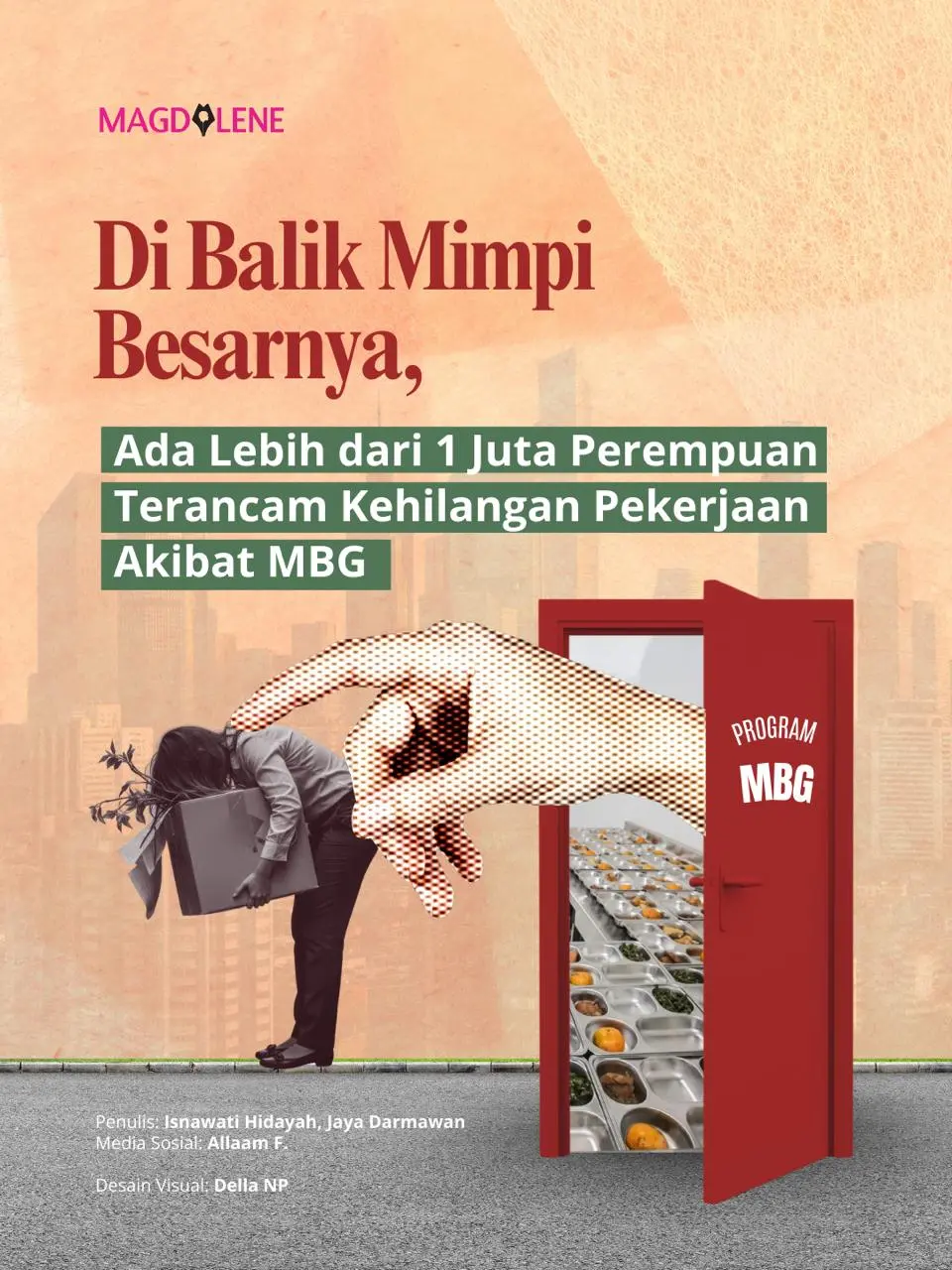
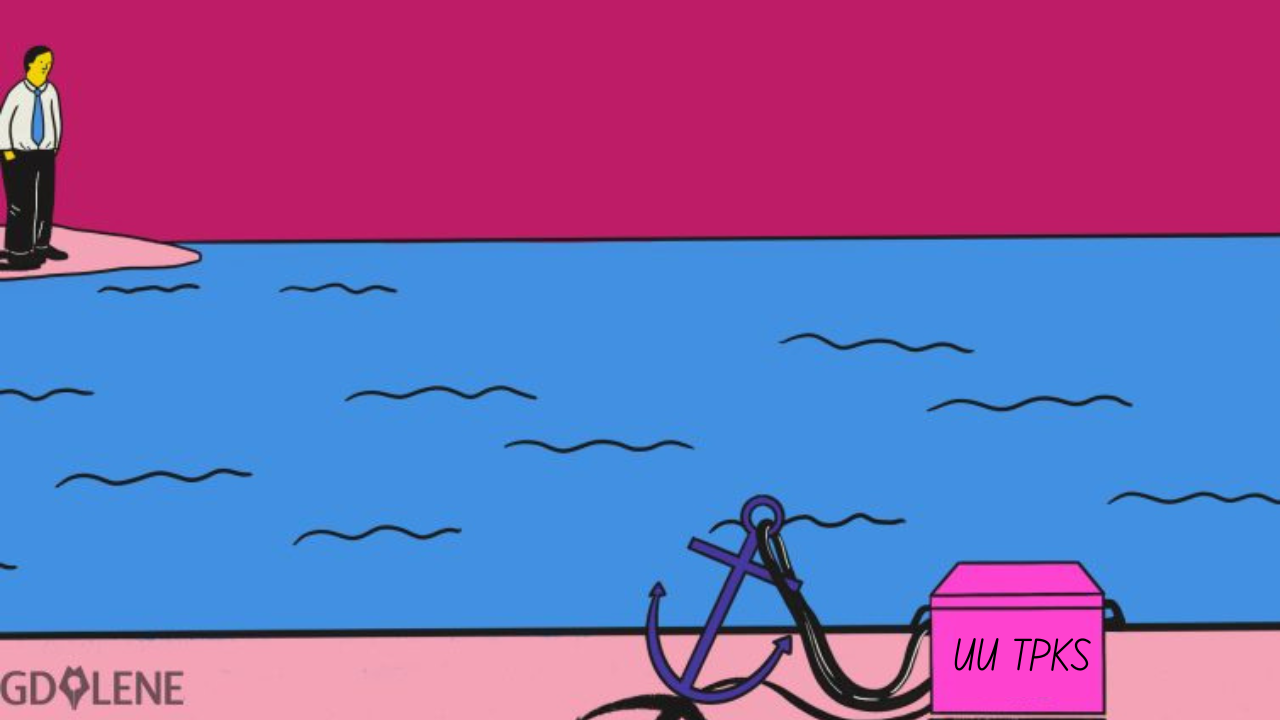
Aditya emphasizes the importance of funding independence. Indonesia needs around Rp4.8 trillion (about US$292 million) per year to run a comprehensive HIV and AIDS program. This figure pales in comparison to some government’s populist policies, chief among them the much-criticized Free Nutritious Meals, for which it allocates Rp 335 trillion in 2026 alone.
“The government has acknowledged the importance of the issue and invited us to meetings, but it hasn’t resulted in budget allocation. On World AIDS Day, I had a session with the House of Representatives and told them that there was no budget, but they ignored me,” he said.
At the time of this article’s publication, the Ministry of Health had not responded to Magdalene’s repeated request for an interview.
He urged for increased calls from the media, civil society and other stakeholders to strengthen the narrative that health is a fundamental right of every citizen. Consistent coverage of the vulnerability of people living with HIV, the human stories of transgender sex workers, and the impact of global policies can serve as moral pressure for the government to act.
Civil society can also promote transparency in health budget allocation and monitor the accountability of state administrators through public discussion forums, cross-community digital campaigns, and encouraging legislative bodies to include HIV and AIDS programs in development priorities.
Aditya stressed for an inclusive narrative: HIV is not a matter of morality, but a public health issue that affects the lives of millions of people.
“If we don’t act quickly, HIV and AIDS will become a time bomb. The efforts made over the past decade, more than 20 years, will be lost if we do not allocate the necessary funding,” he said.
Editor: Purnama Ayu Rizky