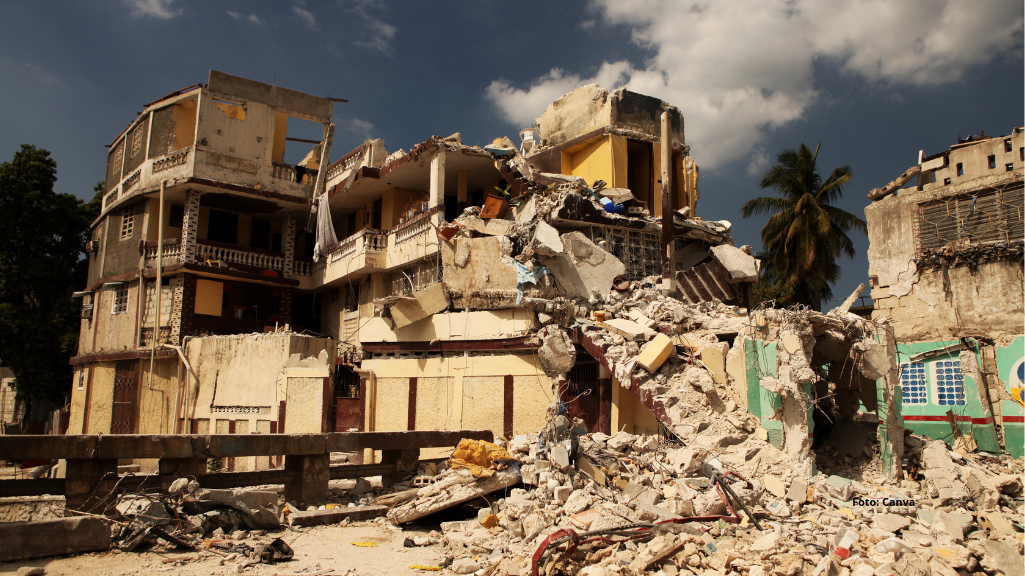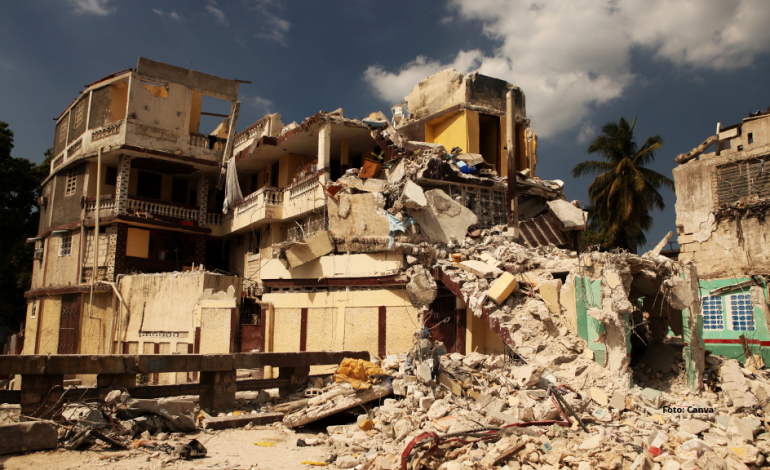
In 1992, when I was three years old, an earthquake flattened my family’s home on Flores Island. It is my earliest memory. Not my mother’s face, not my first day of school, but the ground shaking beneath me. I don’t remember much else from those years, but that moment stays sharp: the shaking, the dust, the fear, and the months we spent afterward in a temporary shelter. That was the beginning of my life, and in many ways, it shaped the work I do today.
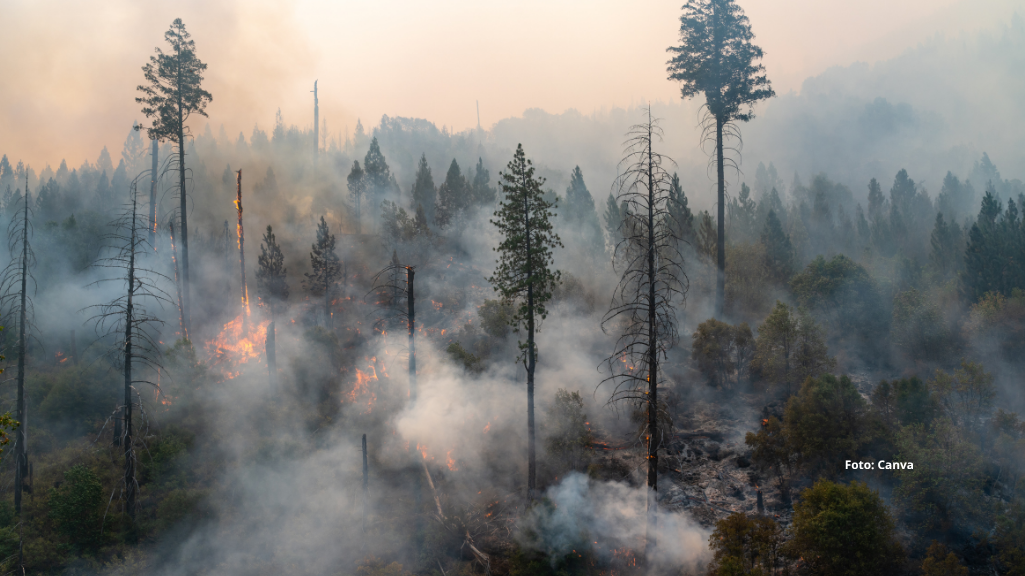
For most Indonesians, a story like mine is not unusual. Disasters here are not rare interruptions to daily life; they are woven into it. We live on the Ring of Fire, where tectonic plates collide, volcanoes simmer beneath us, and the ocean can rise without warning. In the last decade alone, the country has seen major earthquakes, tsunamis, landslides, floods, wildfires and, increasingly, tropical cyclones.
Indonesia now faces between 2,000 and 5,000 disasters a year, so many that some call it a “disaster supermarket.” Ninety-nine percent of them are floods, storms, droughts and landslides. A decade ago, tropical cyclones were almost unheard of here. In the past five years, two have struck, both devastating and unprecedented.
Flores is a place where this feels especially close. The island has 13 active volcanoes, regular earthquakes, and seasonal hazards like El Niño and La Niña that return on schedule. For many families, the 7.7 magnitude earthquake that struck Flores was only the beginning. While people were still digging through rubble, an El Niño drought had left whole villages without clean water. Hazards stack on top of each other, and each one makes the next harder to survive.
Read also: #GeothermalHorror: Lives Disrupted at Clean Energy Project Sites
More disasters, fewer hands
Even as disasters grow more frequent and severe, most families are not prepared, and it is rarely because they don’t know. Many homes on Flores are built without earthquake-resistant frames or reinforced structures. A family may understand perfectly well that its house is vulnerable, but strengthening it takes money they simply do not have. Preparedness is not just knowledge; it is capacity, and capacity depends on income, access and opportunity.
That is why I believe in starting with communities. At Wahana Visi Indonesia, we help people map the hazards around them, plan evacuation routes, and practice what to do when the next disaster comes. We also keep emergency supplies in high-risk areas so help can reach families within the first 24 to 48 hours.
But preparedness alone is not enough, because the system meant to respond is under strain. Funding is shrinking and operations are downsizing, which means fewer staff, fewer resources and fewer hands when several emergencies strike at once. Not everyone can deploy. Some have family responsibilities or health limits, and some are better placed supporting the response in other ways. When disasters multiply, responders do not multiply with them.
My greatest worry is simple: more disasters, fewer people to help. Conflict, climate shocks and economic instability are rising everywhere, and international support is thinning. Countries are turning inward. Help arrives more slowly, while needs grow faster than anyone’s capacity to meet them. It means more children will grow up as I did, with disaster as their first memory.
Still, I find hope every time I visit a community after a disaster. I have seen neighbors share food when they had almost none. I have seen people rebuild together even when everything they owned had been reduced to rubble. Indonesians are resilient, and even the most vulnerable families have strength and each other.
Read also: ‘Natural Disaster’ is a Power Move
Disasters may be inevitable, but despair is not. If we invest in preparedness, strengthen what communities can do for themselves, and teach our children what to do when the ground shakes or the water rises, we can soften the blow even if we cannot stop the hazard.
My first memory was an earthquake. I hope future generations will remember something else: not the disaster itself, but how their community stood together and kept them safe.
Fransisco Fernando is the Disaster Management Manager for Wahana Visi Indonesia (World Vision Indonesia).