Twelve days in October show how hardship, silence, and sideways anger make a loop
Between October 12 and 23, this is what I read.
Batam and Bintan lost power for more than 15 hours. Gas stations in Bali ran dry. Anti-corruption investigators detained 14 people connected to the national disaster agency over its emergency funds, and the same day debt collectors and residents fought a bloody street clash in Kudus. MSCI said it was considering downgrading Indonesia’s market status, the president reshuffled his cabinet for the third time in about a month, and the stock index fell by more than 11 percent in a single day. A video of a toddler alone in a tent on a mountain went viral.
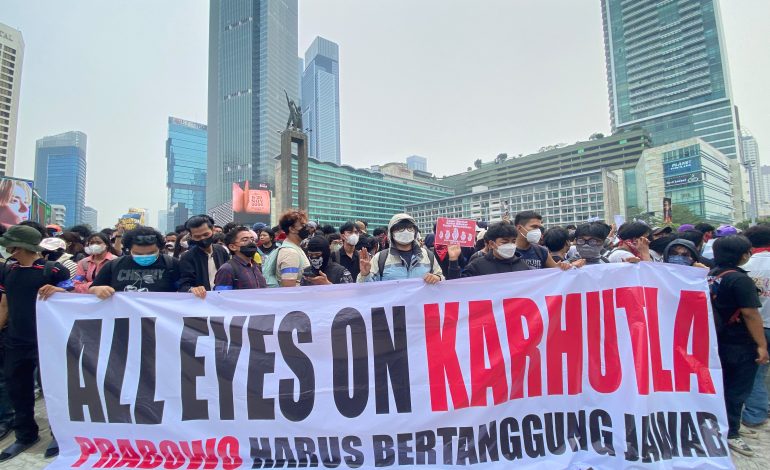
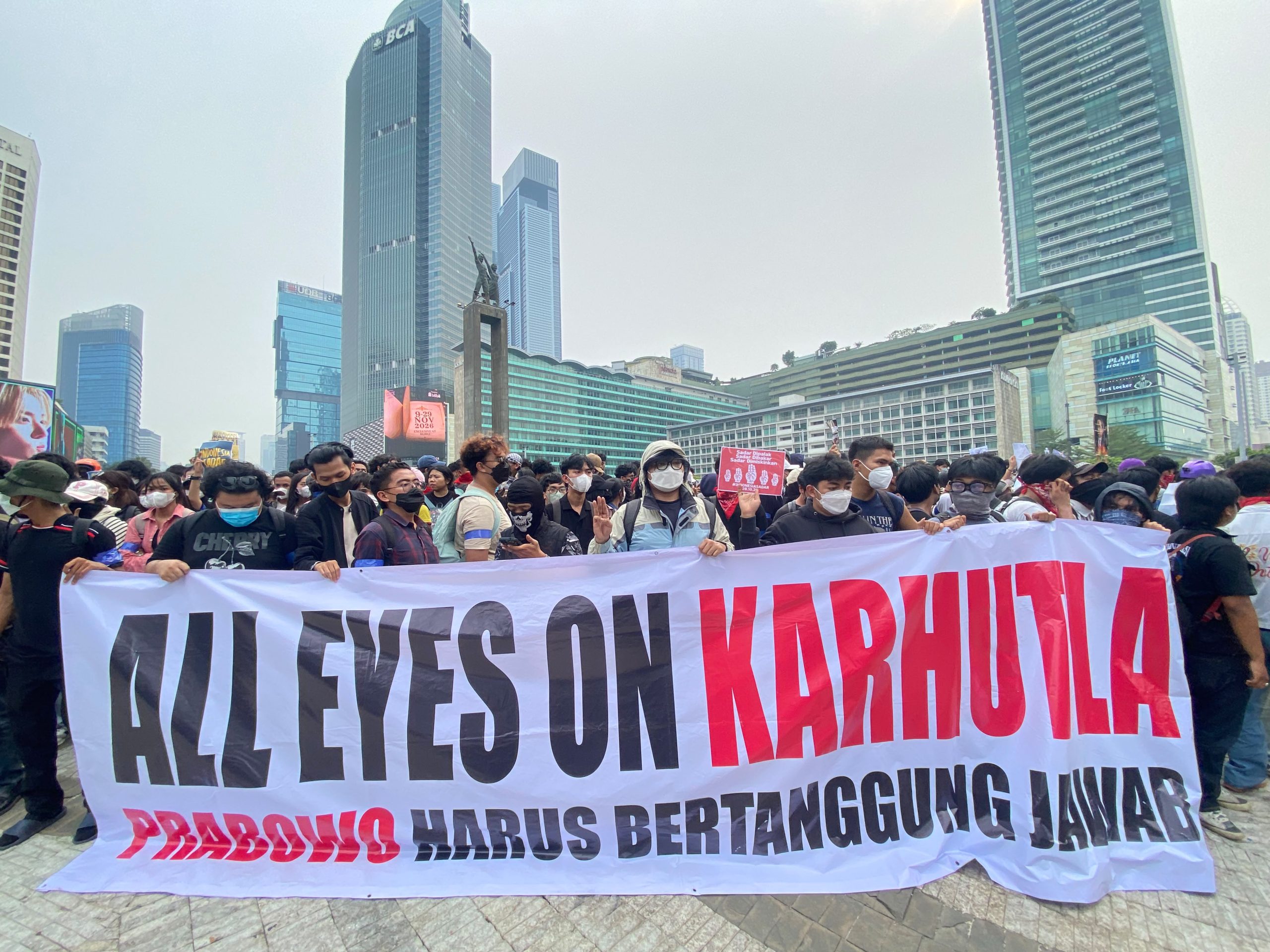
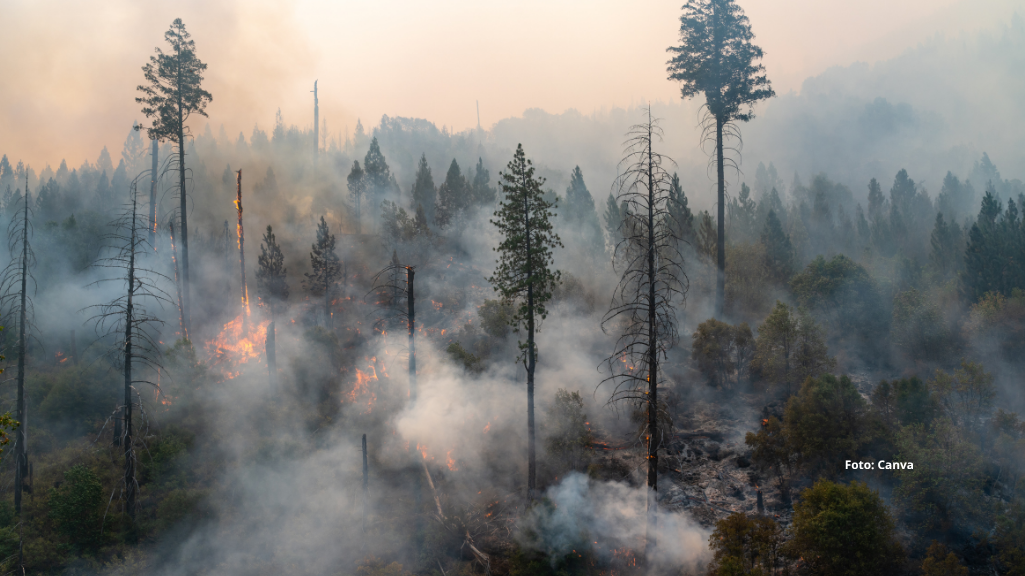
Then three police officers knocked on a Batam woman’s door at 11 p.m. over her posts about the blackout. Activists hung a banner on a Jakarta monument asking the government to lower the cost of living. More than a hundred school children and teachers in Cirebon fell ill after a free school meal. An influencer who allegedly mocked the banner was swamped with criticism online and then dropped by her management agency. And smoke drifted across the border.
Read also: Salib Merah, Tiga Jari, hingga Salat Berjemaah: Simbol Perlawanan di Demo 28 Oktober
That is only what I managed to read, on social media and in the mainstream press. There is probably more that I missed. Even this much left me breathless and mentally exhausted. I doubt I am the only one.
How does a citizen digest all of this? The country feels muted in one direction and loud in another. Anger aimed at the state is costly and often feels futile. Anger aimed at fellow citizens is cheap, visible and immediate.
How far confidence in government has actually fallen is disputed, with polls putting presidential approval anywhere from below 50 percent to above 60. But the pattern in the cases below does not depend on the exact figure. It looks like a loop: hardship and unanswered complaints erode trust, speaking up feels risky, anger turns sideways onto people who can be reached, and the flood of stories scatters attention, so the problems stay put and feed the hardship again.
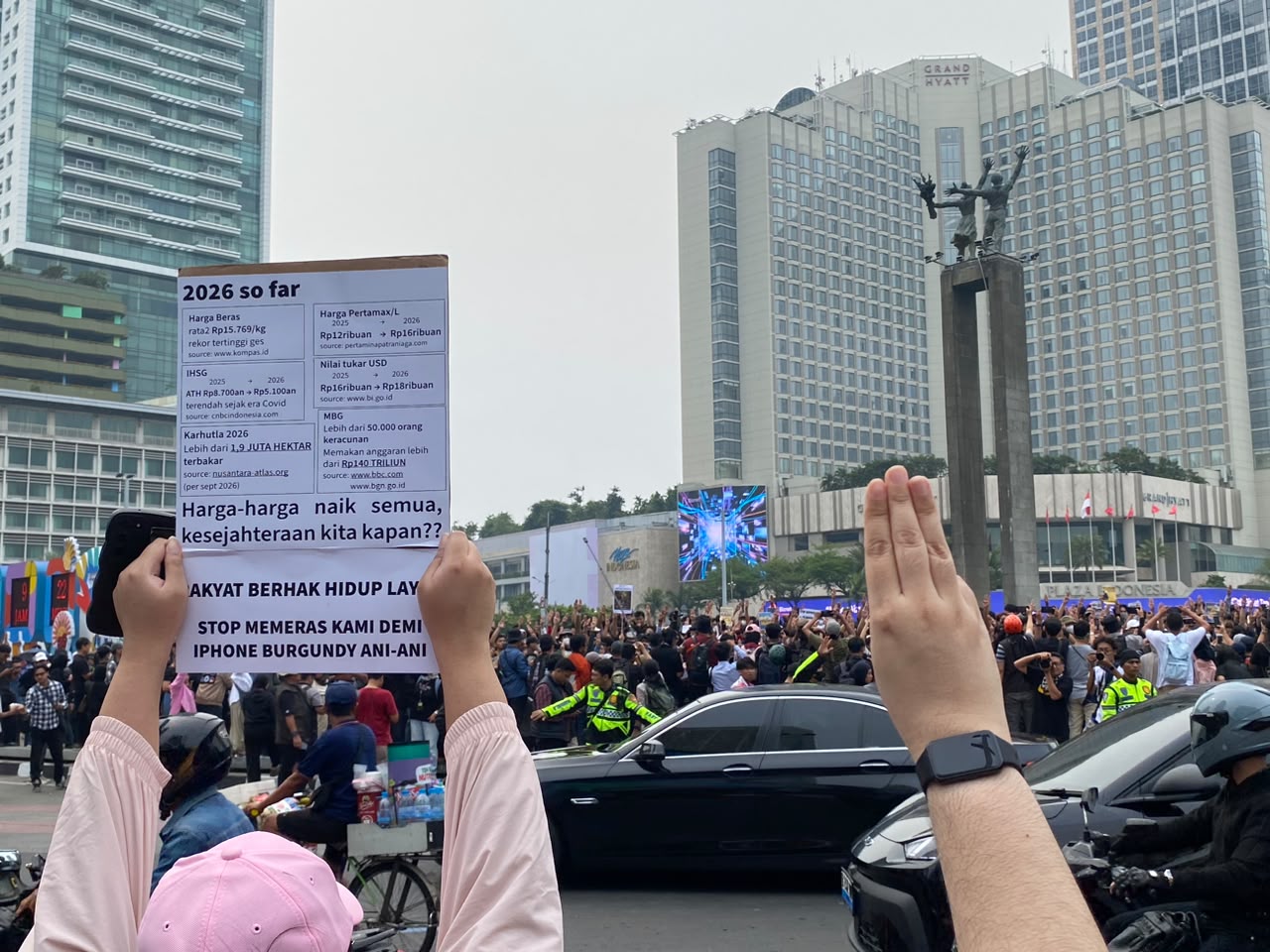
The hardship is not abstract. The rupiah has passed Rp18,000 to the dollar, and the stock index has fallen from above 9,000 in January to about 5,000. A magnitude 7.7 earthquake displaced more than 150,000 people in Flores; weeks later, investigators detained officials of the national disaster agency over its emergency funds. Free school meals, whose former chief was named a suspect in June, have been linked to repeated mass poisonings.
Each failure gets its own investigation, and the anti-corruption commission has run 23 sting operations this year. But a citizen experiences the sum: institutions meant to cushion shocks keep appearing as part of the problem, and enforcement arrives after the damage. That is why many now say, “no viral, no justice.” Being right is not enough; being loud is what gets an answer.
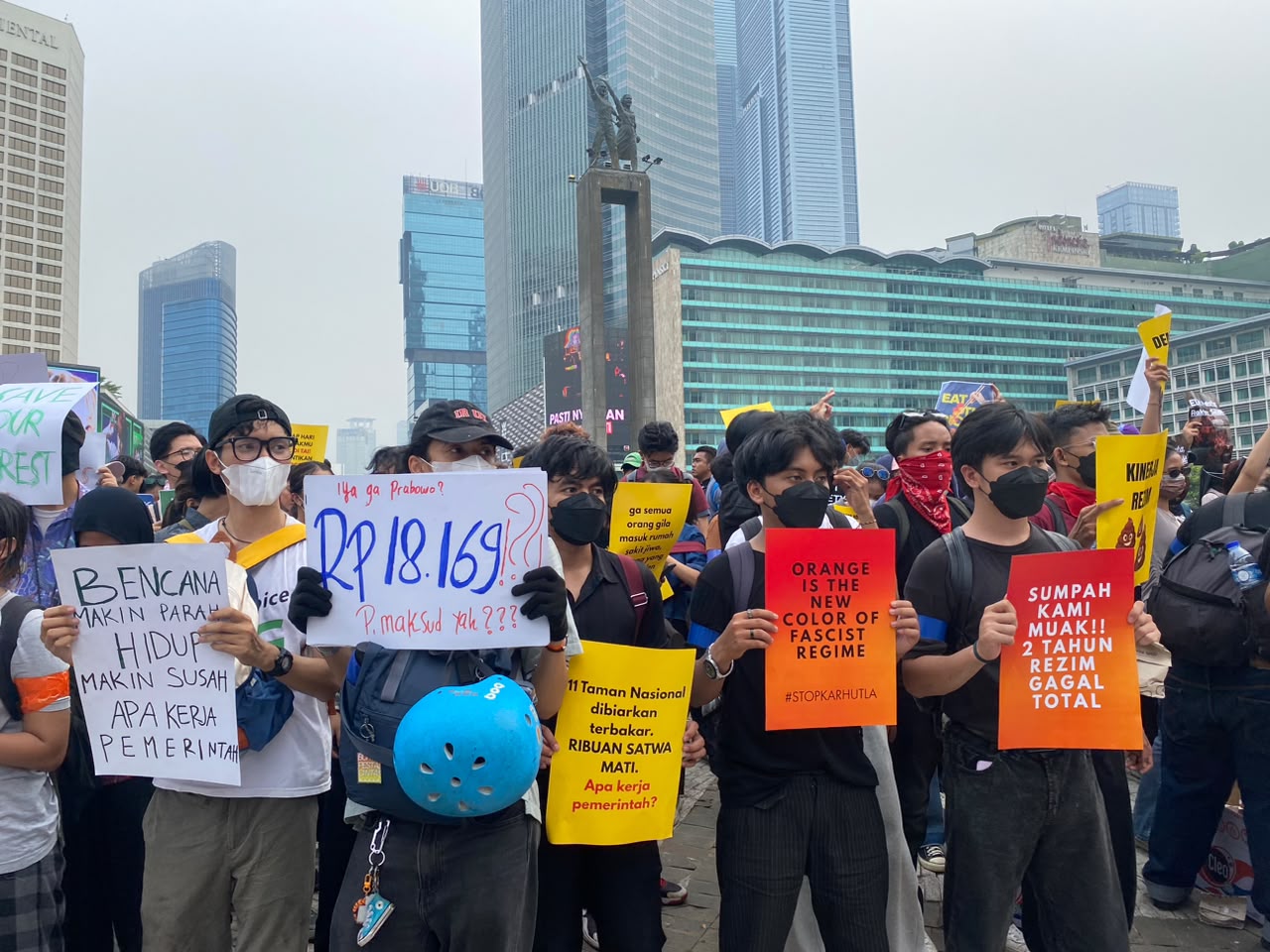
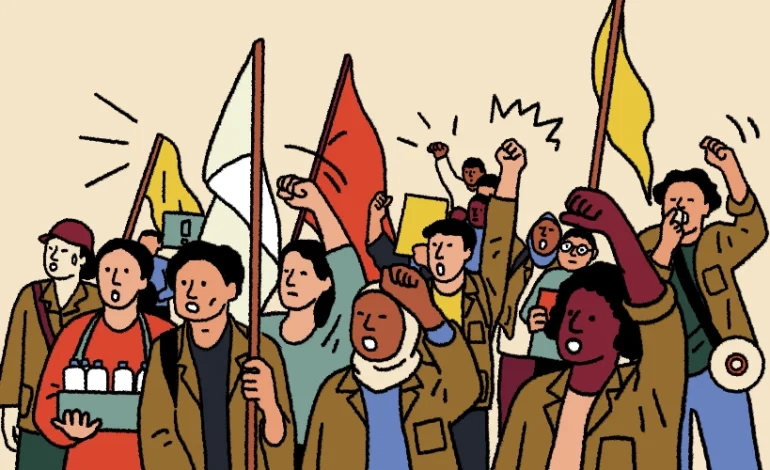
Speaking up has a visible price. In Batam, three police officers came to a woman’s door at 11 p.m. with a summons over her posts about the blackout. She says her child stayed home from school the next day, and that only then did she learn the complaint came from someone she does not know. In Jakarta, the six activists who hung the banner were taken to police headquarters and sent home that night. Fear like this does not need to be common to work; it only needs to be believable.
Defending power can cost something too. The influencer who allegedly mocked the banner was dropped by her agency, which said it was independent of the government and that she had acted in a personal capacity. One cost is formal and comes from the state; the other is social and commercial. Either way, ordinary people carry the conflict while power is rarely asked to answer.
Read also: Kelangkaan BBM Berulang, Pakar: Masyarakat Bisa Gugat Pemerintah
Where the anger goes
Anger that cannot reach power finds closer targets, and the pattern is older than October. In July, a BPJS patient wrote on Threads about a long wait for treatment. Replies from health workers were unsympathetic. He died on July 31, the replies resurfaced, and the public turned on the people who wrote them. Several apologized or were disciplined, and at least one lost her hospital post, though no official finding links his death to the wait.
Many readers felt the insult as their own, and that solidarity is real, but its edge falls on whoever is seen to demean the wronged. The influencer’s case ran the same way: the anger landed on one visible person, while the banner’s question about the cost of living went unanswered.
It happens on the street too. Residents in Bogor beat debt collectors trying to seize a car, and in Kudus a bloody clash left 24 suspects, 21 of them collectors. Either way, ordinary people end up fighting one another.
The loop is fed by volume. Beyond the reshuffles, a presidential advisory council grew from nine members to 26. The Constitutional Court dismissed a challenge to the vice president’s education requirement on procedural grounds while noting it had found no document proving he completed equivalent schooling abroad, and headlines split between “status is valid” and “no diploma found.” Each item is a story in itself; together they make it hard to hold a single thread.
Political scientists call this clarity of responsibility: the harder it is to see who is accountable, the less a government is punished for outcomes. Nothing here shows anyone doing this on purpose, and no master plan is needed. A crowded news cycle, a weak complaints system, and a tired public can produce the same result.
Read also: Krisis Air Merajalela, Perempuan Lagi-lagi yang Kena Dampaknya
Why it keeps going
Political scientists describe a “social trap”: mutual distrust blocking cooperation even when everyone would benefit. Weak institutions lower trust, and low trust makes better institutions harder to build.
It is tempting to blame education, but the evidence is thinner than it looks. Research suggests digital literacy helps people spot false claims yet does little to change what they share, and the replies that started the BPJS pile-on came from health workers, among the best-educated people in the country. What people more often lack is time, money, and security, which leaves little capacity to monitor power. A loop like this does not need ignorant citizens. It needs only that complaints go unanswered and that being loud is the cheapest way to be heard.
No single fix will do, but the links of the loop suggest where to push. Complaints need a route that does not depend on going viral: a hospital bed, a repossession dispute, or a summons should move at the same speed whether or not a video exists. Pile-ons and doxxing deserve the seriousness any abuse does, because each one teaches the next person that anger is safest when aimed sideways. And institutions that treat everyone alike, studies of trust suggest, are what produce trust in the first place.
The scroll will move on. The blackout, the arrests, the midnight summons and the banner will slide down the screen, replaced by whatever comes next. The question the scroll never asks is who will be answerable for any of it.
Monica Kappiantari is an ordinary Indonesian citizen (WNI) who follows the country’s socio-political life closely.
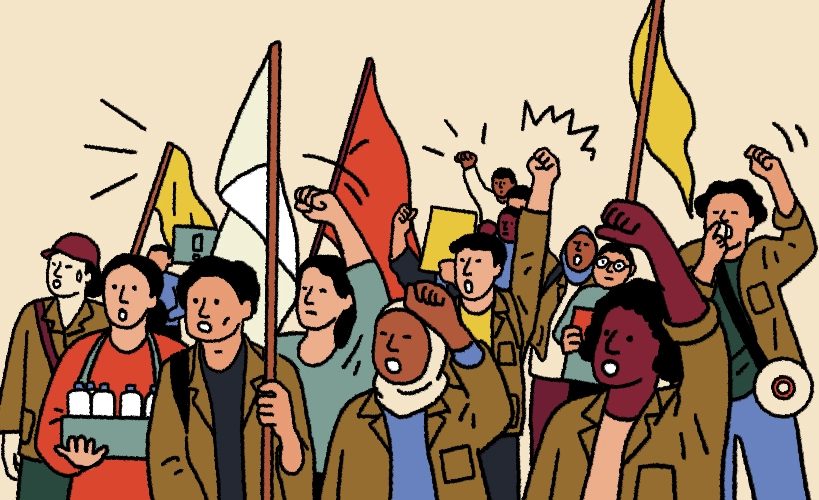
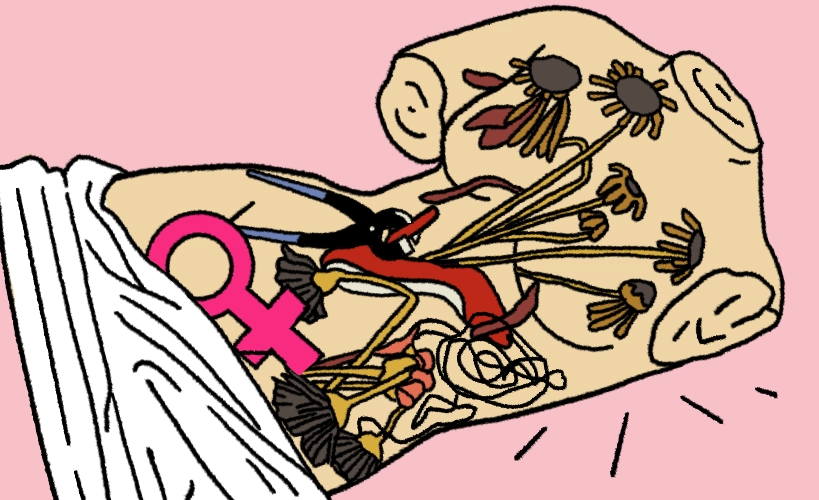
Illustration by Karina Tungari